
Buying a fixer-upper can feel equal parts exciting and overwhelming. On one hand, you see the potential: character, space, and the chance to create a home that truly reflects your style. On the other, there are unknowns hiding behind walls, under floors, and beneath the yard—issues that can quickly derail a renovation if they aren’t handled thoughtfully.
The key to success is approaching a fixer-upper as a long-term project rather than a quick makeover. Transforming a distressed property into a dream home requires careful planning, smart budgeting, and a willingness to tackle foundational problems before cosmetic upgrades. When done right, the result is not just a beautiful space, but a safer, more efficient, and more valuable home.
This guide walks through the process step by step, focusing on practical decisions that help homeowners avoid common mistakes. By addressing the most critical systems first and building strategically, you can turn even the most neglected house into a place you’re proud to call home.
Start With a Whole-House Evaluation and Renovation Roadmap

Before picking paint colors or browsing fixtures, it’s essential to understand exactly what you’re working with. A fixer-upper often has layered issues, and jumping straight into surface-level improvements can lead to wasted money if deeper problems emerge later.
A comprehensive evaluation should include:
- Structural integrity (foundation, framing, load-bearing walls)
- Major systems such as electrical, plumbing, HVAC, and insulation
- Exterior elements like siding, windows, and drainage
- Signs of moisture damage, pests, or outdated materials
Walking through the property with a local building contractor can help translate what you see into a realistic renovation plan. Experienced professionals know how to spot red flags that homeowners often miss, such as subtle foundation movement or improper past repairs. They can also advise on what must be fixed immediately versus what can wait.
Once issues are identified, create a renovation roadmap that prioritizes safety and structure first, followed by systems, and finally finishes. A clear sequence prevents situations where new drywall must be removed to fix wiring or plumbing later. This planning stage also allows you to set milestones and measure progress, keeping a large project from feeling unmanageable.
Budget Wisely and Prepare the Property for Clean, Safe Work
Renovations almost always cost more than expected, especially in older homes. Building a realistic budget is not just about listing projects—it’s about planning for surprises. Many experts recommend setting aside 10–20% of the total budget as a contingency for unforeseen issues.
Key budgeting considerations include:
- Separating “must-fix” items from “nice-to-have” upgrades
- Accounting for permits, inspections, and professional labor
- Planning cash flow so work doesn’t stall mid-project
Equally important is preparing the site for efficient work. Demolition generates significant debris, and cluttered spaces slow progress and increase safety risks. Many homeowners find that renting a dumpster early in the process keeps the project organized and prevents piles of waste from taking over the property.
A clean, well-managed job site makes it easier for contractors to work efficiently and reduces the likelihood of accidents. Proper preparation also helps protect areas of the home that aren’t being renovated yet, preserving what’s already functional while improvements are underway.
Secure the Home by Addressing Roof and Exterior Vulnerabilities
One of the most critical steps in transforming a fixer-upper is ensuring the home is protected from the elements. A compromised exterior allows water, air, and pests to infiltrate the structure, undoing interior improvements and accelerating deterioration.
Start by closely inspecting the roof, flashing, gutters, and siding. Warning signs include:
- Missing or curling shingles
- Water stains on ceilings or attic surfaces
- Sagging rooflines or soft spots
- Damaged fascia or soffits
Working with a reputable roofing company helps determine whether repairs are sufficient or if replacement is the wiser long-term option. While a new roof can be a major expense, it often prevents far greater costs associated with water damage and mold.
Once the roof is secure, address windows, doors, and exterior gaps. Improving the building envelope early in the renovation protects every upgrade that follows, from insulation to flooring, and creates a stable foundation for the rest of the transformation.
Correct Drainage, Grading, and Site Issues Early
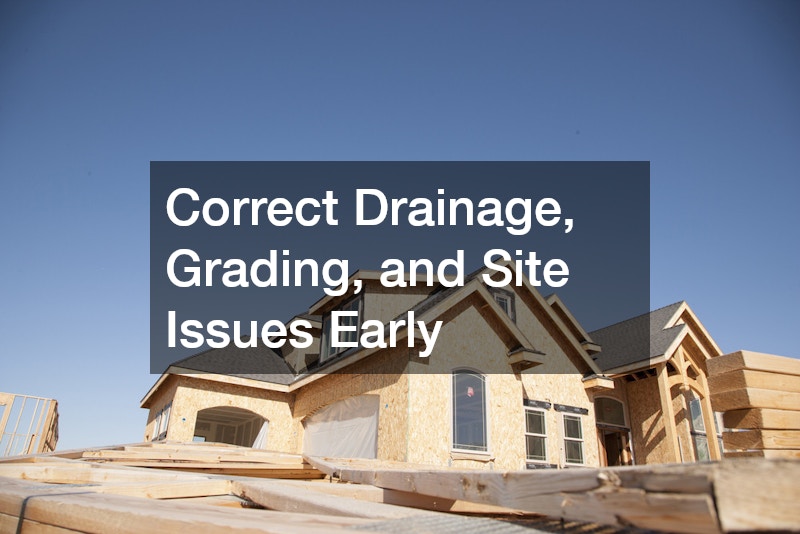
What happens outside the home is just as important as what’s inside. Poor drainage and improper grading can cause water to pool near the foundation, leading to cracks, leaks, and long-term structural problems. These issues often go unnoticed until significant damage has occurred.
Signs that site work may be needed include:
- Standing water after rainfall
- Soil erosion around the foundation
- Damp basements or crawl spaces
- Cracks in foundation walls
In more serious cases, excavation contractors may be required to regrade the yard, install drainage systems, or address underground issues. While this work isn’t glamorous, it plays a crucial role in protecting the home for decades to come.
By correcting grading and drainage early, homeowners reduce the risk of future water intrusion and create a healthier environment for interior renovations. It also ensures that landscaping efforts later on won’t be undermined by ongoing moisture problems.
Modernize Plumbing Systems for Efficiency and Reliability
Plumbing is one of the most common sources of hidden trouble in fixer-uppers. Old pipes, outdated layouts, and worn fixtures can lead to leaks, low water pressure, and contamination risks. Modernizing these systems early in the renovation process is both practical and cost-effective.
A thorough plumbing evaluation should consider:
- The age and material of existing pipes
- Water pressure consistency throughout the house
- Fixture placement and functionality
- Compliance with current building codes
Licensed plumbers can help redesign plumbing layouts to better suit modern living, especially when kitchens and bathrooms are being reconfigured. Replacing aging pipes while walls and floors are already open is far less expensive than addressing failures after finishes are installed.
Updated plumbing not only improves daily comfort but also enhances efficiency, reducing water waste and lowering utility bills. It’s a foundational upgrade that supports both quality of life and long-term home value.
Resolve Hidden Drainage Problems Before Finishing Walls and Floors
Even with new plumbing lines, drainage issues can persist if old blockages or buildup aren’t addressed. Slow drains, recurring clogs, and unpleasant odors are more than annoyances—they can signal deeper problems that threaten new renovations.
Before sealing walls or laying flooring, it’s wise to inspect and clear existing drain lines. Professional drain cleaning services can remove years of grease, debris, and mineral buildup that restrict flow. This step is especially important in homes that have been vacant or poorly maintained.
Preventive drainage work offers several benefits:
- Reduces the risk of backups damaging new finishes
- Improves overall plumbing performance
- Extends the lifespan of pipes
- Provides peace of mind once the home is occupied
Addressing these issues proactively ensures that the effort and money invested in cosmetic upgrades won’t be compromised by preventable plumbing failures.
Address Underground Infrastructure and Waste Lines Proactively
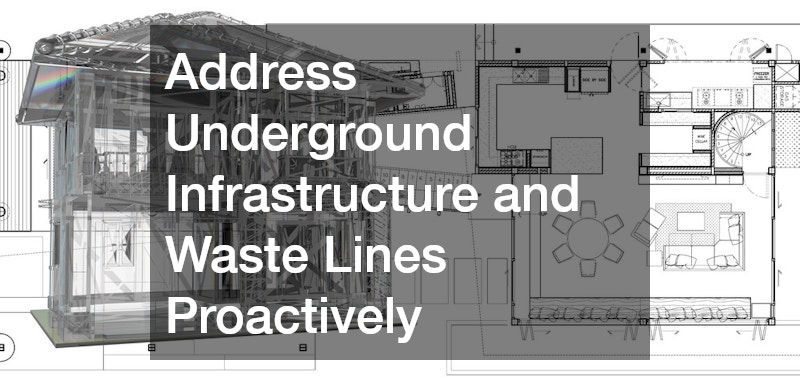
Beyond interior drains, the home’s connection to municipal or septic systems plays a critical role in overall functionality and sanitation. Aging or damaged sewer lines are a common issue in older properties, particularly those with clay, cast iron, or Orangeburg piping. Ignoring these problems can lead to costly emergencies that disrupt daily life and cause significant property damage.
Warning signs of sewer problems include:
-
Frequent backups in multiple fixtures throughout the home
-
Gurgling sounds coming from toilets or drains after use
-
Persistent sewer odors indoors or around the yard
-
Unexplained patches of unusually lush or fast-growing grass above buried lines
When these symptoms appear, comprehensive sewer line repairs may be necessary to restore proper flow and prevent contamination. Modern diagnostic tools, such as camera inspections, allow professionals to pinpoint damage and determine the most effective solution. While this work can be disruptive, addressing it during a renovation is far easier and more cost-effective than dealing with a sudden failure after the home is finished and occupied.
Proactive infrastructure upgrades protect your investment and ensure that waste systems operate reliably. They also eliminate one of the most stressful types of home emergencies, allowing homeowners to enjoy their renovated space with confidence and peace of mind.
Eliminate Health Hazards Before Cosmetic Improvements
A fixer-upper may hide health risks that aren’t immediately visible, especially in homes that have experienced long periods of vacancy or deferred maintenance. Moisture intrusion, poor ventilation, and past neglect can create ideal conditions for hazardous growths that compromise indoor air quality and occupant well-being. These issues often develop quietly behind walls, beneath flooring, or in attics and crawl spaces, making them easy to overlook during a casual walkthrough.
One of the most serious concerns is mold, particularly when it spreads behind walls or under flooring where it can remain undetected for years. In these cases, professional black mold removal companies are essential to ensure safe and thorough remediation. Trained specialists use containment methods, protective equipment, and proper disposal techniques to prevent spores from spreading throughout the home. Attempting to handle severe mold issues without the right expertise can worsen contamination and increase health risks such as respiratory irritation and allergic reactions.
After remediation, it’s critical to identify and correct the underlying cause. Common sources include roof leaks, plumbing failures, poor drainage, or inadequate ventilation in bathrooms and basements. Simply removing mold without resolving these issues allows it to return. Addressing moisture control through improved airflow, sealing gaps, and repairing leaks helps maintain a healthier indoor environment. Removing health hazards before cosmetic work ensures that new finishes aren’t installed over dangerous conditions, creating a cleaner, safer, and more comfortable home for everyone who lives there.
Reinforce Foundations, Driveways, and Structural Surfaces
Structural surfaces often show the wear and tear of time more clearly than interior finishes. Cracked foundations, uneven driveways, and deteriorating slabs not only detract from appearance but can also indicate deeper issues affecting the home’s stability. These visible warning signs should never be dismissed as purely cosmetic, as they often point to underlying soil movement, poor drainage, or years of freeze-thaw stress.
A careful assessment should look for:
-
Horizontal or stair-step cracks in foundation walls, which may suggest structural pressure
-
Uneven or sunken concrete surfaces that create tripping hazards and drainage problems
-
Water intrusion through cracks, often signaling moisture or grading issues
-
Signs of shifting or settlement around porches, walkways, and garage floors
In many fixer-uppers, these problems have developed slowly and may worsen if left unaddressed. Skilled concrete contractors can evaluate whether repairs, reinforcement, or full replacement is the best solution based on severity and long-term performance. Their expertise ensures that fixes are done correctly, using materials and methods suited to local soil and climate conditions.
Addressing structural surfaces during a renovation allows homeowners to integrate repairs seamlessly with landscaping, drainage improvements, and exterior design upgrades. For example, correcting a sloped driveway can improve water flow away from the home while also enhancing curb appeal. Strong, level concrete surfaces enhance safety, support proper drainage, and contribute to the overall longevity of the home, making them a vital step in turning a fixer-upper into a reliable, lasting residence.
Build Resilience Against Future Weather and Environmental Risks

A dream home isn’t just beautiful—it’s resilient. As weather patterns become more unpredictable, incorporating durability into a renovation plan is a smart investment. Strengthening the home against wind, rain, and temperature extremes protects both comfort and value.
Resilience-focused upgrades may include:
- Reinforcing roofs and exterior materials
- Improving insulation and ventilation
- Installing impact-resistant windows or doors
- Sealing vulnerable entry points
Planning for storm damage repair during renovations allows homeowners to choose materials and designs that minimize future risk. Rather than reacting to damage after it occurs, proactive upgrades help the home withstand harsh conditions with less disruption.
Building resilience into the renovation ensures that the time, effort, and money invested in the transformation continue to pay off for years to come.
Transforming a fixer-upper into your dream home is a journey that requires patience, strategy, and informed decision-making. By focusing first on structure, systems, and safety, homeowners lay the groundwork for upgrades that truly last. Each thoughtful step reduces future risks and enhances the overall quality of the living space.
While the process may feel complex, breaking it into manageable phases makes even the most challenging projects achievable. With careful planning and attention to foundational details, a neglected property can become a comfortable, efficient, and personalized home. In the end, the reward is not just a renovated house, but a space built to support your life for years to come.