
Building your dream home is an exciting journey that requires careful planning and informed decision-making. It is not just about construction itself, but about creating a living space that supports your lifestyle, priorities, and long-term goals. Each phase of the process plays a role in shaping comfort, efficiency, and durability, making early choices especially important.
This guide explores the critical considerations that influence successful home projects, from initial evaluation through long-term protection. You’ll learn how thoughtful planning, coordinated systems, and preventive maintenance reduce costly surprises and improve outcomes over time. By examining how design, infrastructure, and ongoing care work together, this approach helps homeowners make confident decisions that balance aesthetics with performance. Rather than focusing on quick fixes, the goal is to provide a clear framework for building and improving a home that remains safe, functional, and valuable for years to come.

Assess Before You Act
Before embarking on your home-building journey, it is paramount to assess your needs and resources thoroughly. Collaborating with a local custom home builder can help translate your vision into reality while considering budget constraints. Ensuring open communication with your builder will lay the groundwork for a successful project. Consider the physical environment of your planned home; factors such as the landscape and climate can dictate the kind of structure that is feasible. This assessment phase involves evaluating material choices, architectural styles, and alignment with local regulations and codes. Taking the time to study these aspects can save time and resources later. Additionally, it’s advisable to create a detailed wishlist that outlines your priorities and must-haves in your new home. This list will serve as a roadmap for both you and your builder, ensuring every decision aligns with your ultimate vision. The builder’s expertise in local environments and regulations can refine your ideas into a buildable plan. Balancing aesthetic desires with practical realities lays the foundation for a home that genuinely meets your needs now and in the future.
Use Design to Prevent Costly Rework
Incorporating careful design strategies from the outset can prevent unnecessary rework and expenses. Collaborating with architect design firms is crucial in achieving a cohesive and efficient home design. These professionals bring a wealth of knowledge on optimizing space and functionality, which helps in avoiding costly mistakes later on. Engaging with design experts allows you to explore innovative solutions that might not be immediately obvious. They can provide insights into sustainable practices and materials that enhance long-term cost savings. Moreover, their expertise in creating environmentally friendly designs can significantly impact the operational efficiency of the home. Proper planning and design also extend to selecting the right layout that complements your lifestyle. Whether it’s open-concept living spaces or multi-functional rooms, a well-thought-out design caters to everyday ease and comfort. Design professionals guide you in choosing elements that reflect both personal style and practical necessity. This upfront investment in design not only enhances the aesthetic appeal of your home but also ensures that each space is utilized to its full potential, reducing the need for future alterations.
Plan for Comfort and Efficiency
Creating a comfortable environment within your home is as important as its structural integrity. One efficient method to achieve this is by ensuring the proper installation of heating and cooling systems, like ac installs. These systems maintain a livable climate year-round and contribute to energy efficiency. Efficient planning includes choosing the right HVAC system tailored to your home’s specific needs. This decision involves evaluating factors like the size of your home, regional climate, and energy consumption goals. Experts can assess your requirements and recommend systems with optimal performance and cost-effectiveness. Besides climate control, energy efficiency extends to the appliances and systems that manage everyday living. Installing solar panels, efficient lighting, and energy-saving appliances reduce operational costs substantially. Energy-efficient homes not only benefit the environment but also enhance comfort by ensuring a stable and predictable energy usage pattern. Overall, the right combination of planning and technology creates a living environment that prioritizes comfort without unnecessary waste.

Protect Your Shelter
The roof is one of the most critical components of any home, serving as a primary line of defense against the elements. Working with a reputable residential roofing company is essential to ensure durability and longevity. These professionals assess your specific needs and provide quality materials and craftsmanship tailored to local environmental conditions. Roofing technology has evolved with options like reflective coatings and green roofing, which enhance energy efficiency and sustainability. Integrating these advances into your home’s design makes it more resilient and eco-friendly. Professional roofing services also extend to regular maintenance programs that prevent potential issues from becoming costly repairs. In addition to the practical aspects, there is a range of styles and materials that can complement the aesthetic of your home. From traditional shingles to modern metal options, your roof can contribute to your home’s curb appeal. A well-maintained roof adds significant value to your property, ensuring safety and reducing energy consumption, and protecting your home for many years to come.
Fix Hidden Threats Early
Addressing potential issues before they become significant problems is a cornerstone of effective home management. Residential drain repair is an essential yet often overlooked aspect of maintaining a home’s infrastructure. Unchecked plumbing problems can lead to structural damage and unexpected financial burdens. An effective approach includes conducting regular inspections and maintenance to identify potential blockages or leaks. Professional plumbers can offer solutions like video inspections, hydro jetting, or trenchless repair that resolve issues without extensive disruption. These strategies enhance the lifespan of your plumbing systems and protect the foundation of your home. Additionally, installing modern plumbing fixtures designed for efficiency reduces the likelihood of future issues. These fixtures not only conserve water but also enhance performance and reliability. Proactive measures in plumbing maintenance help avert emergencies and maintain the overall integrity of your home.
Improve Safety and Capacity
Electrical systems are the backbone of a modern home, and their proper installation is critical for safety and functionality. Collaborating with a qualified residential electrician ensures all installations adhere to safety standards and codes. They bring the expertise needed to design an electrical layout that supports both current and future technological demands. A comprehensive electrical plan considers aspects such as adequate outlet placement, appropriate circuit distribution, and advanced features like smart home integration. These considerations prevent overloads and outages, ensuring a seamless experience for everyday activities. Furthermore, the inclusion of modern safety devices, such as circuit breakers and smoke detectors, enhances protection against potential hazards. Maintaining wiring and electrical components through regular inspections prevents outdated systems from becoming hazardous. Up-to-date electrical systems are crucial as they support innovations that make your home more automated and efficient. By prioritizing electrical safety and capacity, you ensure that your home remains a safe and comfortable place for years to come.
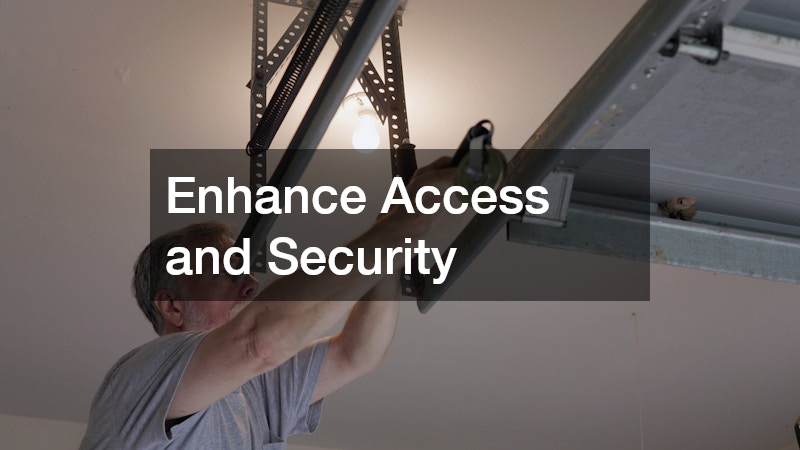
Enhance Access and Security
A secure and accessible home provides peace of mind and enhances overall living quality. Working with a skilled garage door installer can improve both the functionality and security of your home’s entrance. Modern garage doors offer advanced features like remote access control and enhanced security systems to protect your property. Accessibility also involves creating entryways that cater to everyone in your household. This could include installing ramps, sensor lighting, and wider doors for ease of movement. These modifications ensure not only compliance with accessibility standards but also enhance convenience for all family members. Furthermore, integrating smart technologies such as cameras and alarms into your home security increases its effectiveness. These systems provide real-time monitoring and alerts, keeping your property secure whether you are at home or away. By taking these steps, you create a safe haven that prioritizes accessibility and protection.
Revitalize Interiors Strategically
With changing trends and personal tastes, revitalizing the interiors of your home is a rewarding venture. Hardwood flooring is a timeless choice that brings warmth, elegance, and sustainability to your living spaces. Whether it’s a full renovation or a minor update, the selection of materials can significantly impact both the aesthetic and functional aspects of your home. Hardwood offers an array of styles, from traditional oak to modern bamboo, which can match any design vision. Proper installation ensures durability and longevity, adding value to your property over time. Additionally, refinishing existing hardwood can revitalize its appearance while maintaining its original charm. Beyond aesthetics, strategic renovations can improve the layout and functionality of your home. Modifying spaces to create open layouts or adding storage solutions caters to modern living needs. By focusing on both form and function, your home will remain a welcoming and enjoyable space.
Maintain Outdoor Function Before Aesthetic
The exterior of your home is just as important as the interior, and its upkeep significantly affects the property’s value and appearance. Lawn care programs offer sustainable solutions to maintain your garden’s health and beauty. Regular maintenance activities such as mowing, fertilizing, and aerating keep your lawn vibrant and resilient. Outdoor maintenance extends beyond just aesthetics; it focuses on creating functional spaces that cater to various needs. Whether you have children, pets, or enjoy entertaining, a well-maintained outdoor area enhances your overall quality of life. Additionally, sustainable practices such as rainwater collection and native plantings contribute to environmental conservation and resource efficiency. By combining aesthetics with functionality, your outdoor spaces become extensions of your living area. Thoughtful landscaping and garden design can create zones for relaxation, play, and leisure. Through a balanced approach, the outdoors becomes a harmonious part of your home’s environment.

Combine Recreation with Practical Value
Recreational features in your home provide enjoyment and potential financial returns. Pool renovations are a fantastic way to refresh an outdoor area, offering both leisure opportunities and an increase in property value. Upgrading or installing a pool requires meticulous planning to ensure it fits your lifestyle and maintenance capacity. A modern pool design looks to improve not just aesthetics but also efficiency and safety through contemporary materials and features. Options like solar heating, automated cleaning systems, and safety covers enhance usability and convenience. Integrating a pool into your backyard architecture creates a cohesive leisure space that enhances your home’s appeal. Beyond pools, other recreational enhancements like outdoor kitchens or play areas cater to family and entertaining needs. These features add versatility and enjoyment to your home, making it a destination for relaxation and social gathering. Combining recreational elements with practical considerations ensures that your investments serve both your lifestyle and long-term home aspirations.
The journey to building or renovating a home, while challenging, can be incredibly rewarding with the right knowledge and partnerships. Each step, from assessing initial needs to adding final touches, contributes to creating a home that mirrors your personal vision while ensuring safety and efficiency. Partnering with professionals such as local custom home builders, architects, and specialized contractors in areas like roofing, drainage, and electrical systems provides invaluable expertise and guidance. Every choice, whether it involves deciding on hardwood flooring or choosing an HVAC system, impacts your home’s comfort, functionality, and value. Balancing aesthetics with practicality guarantees that your home supports your daily life while adapting to future changes. And while the process requires an investment of time and resources, the result is a living space that provides security, sustainability, and satisfaction. Ultimately, a well-crafted home isn’t just about the finished structure; it’s about creating a harmonious environment that enhances the way you live and engage with the spaces around you. By following the outlined considerations and advice, you can navigate the complexities of home building and renovations, ensuring your dream home is both a sanctuary and a testament to your efforts.
Smarter planning starts with understanding the home as a whole. Structures, mechanical systems, finishes, and outdoor elements all interact. When one area underperforms, it often places strain on others. Budget-focused homeowners who recognize these relationships gain a major advantage: they can prioritize work that delivers compound benefits instead of isolated improvements. This article is designed to help homeowners shift from reactive decisions to strategic planning. It focuses on assessment, prioritization, and phased improvements that protect both the home and the budget. The goal is not perfection or rapid transformation. The goal is control—control over spending, timing, and outcomes.