
Owning or managing a property comes with a steady stream of responsibilities, and over time, those responsibilities can turn into significant expenses. What often surprises property owners isn’t the cost of major repairs—it’s how quickly small, avoidable issues add up when they’re ignored. A loose shingle, a minor crack, or neglected upkeep might seem harmless in the moment, but these are often the early signs of much bigger (and more expensive) problems.
The good news is that long-term maintenance costs can be reduced with the right approach. It’s not about cutting corners—it’s about being strategic. By focusing on prevention, smart planning, and thoughtful upgrades, you can keep your property in great condition without constantly draining your budget.
Build a Preventive Maintenance Schedule That Actually Works
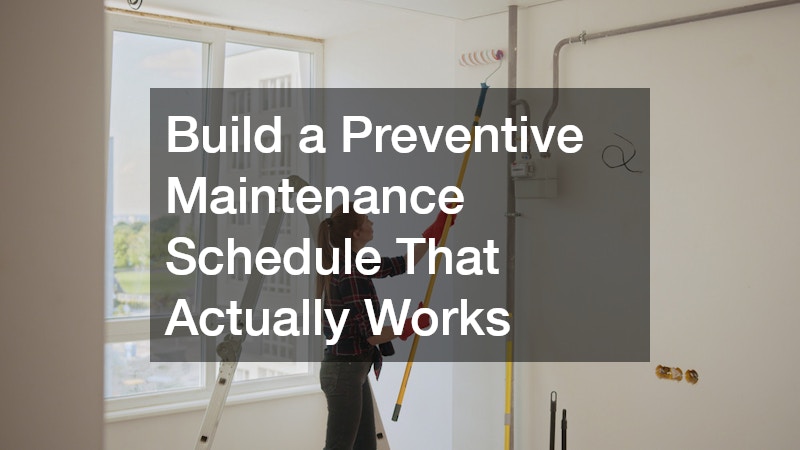
A well-thought-out maintenance schedule is one of the simplest ways to avoid unnecessary expenses. The challenge isn’t knowing that maintenance matters—it’s staying consistent with it.
Think of your property like a car. You wouldn’t skip oil changes and expect the engine to last forever. The same logic applies to your home or building systems. Regular checkups help you catch issues early, when they’re still manageable.
Start by breaking your maintenance tasks into seasonal categories. For example:
- Spring: Inspect for water damage, clean gutters, check exterior surfaces
- Summer: Service cooling systems, examine outdoor spaces
- Fall: Prepare for colder weather, seal gapsand , inspect roofing
- Winter: Monitor for leaks, check insulationand , address interior wear
Routine roof repair is a perfect example of proactive care. Fixing a small leak early can prevent structural damage, mold growth, and insulation problems later. Similarly, scheduling periodic inspections through a flooring service helps you address wear and tear before it requires a full replacement.
Many property owners find it helpful to use digital reminders or maintenance apps to stay on track. Even a simple calendar system can make a difference. The key is consistency—small efforts repeated regularly are far cheaper than emergency repairs.
Another practical tip is to document everything. Keeping a simple log of what was inspected, repaired, or replaced creates a maintenance history that helps you anticipate future needs. Over time, this record becomes incredibly valuable, especially if you plan to sell or manage multiple properties.
Start With a Strong Foundation: Quality Installations Matter
Long-term savings often begin with the decisions you make at the very start. Cutting costs during installation might feel like a win initially, but it usually leads to higher expenses later.
Take roofing, for example. A properly executed roof installation doesn’t just protect your property—it reduces the likelihood of leaks, energy loss, and structural deterioration. When installation is rushed or handled by inexperienced contractors, problems tend to show up sooner than expected.
The same applies to structural elements like driveways, walkways, or foundations. Hiring a reliable concrete contractor ensures that the materials are properly mixed, poured, and cured. Poorly done concrete work can crack prematurely, shift over time, or allow water intrusion, all of which lead to expensive fixes.
If you’re evaluating a new project or replacing an existing feature, ask yourself:
- Will this solution last at least 10–20 years?
- Is the contractor experienced with similar projects?
- Are the materials suited for your climate?
There’s also value in asking about warranties and guarantees. Quality contractors often stand behind their work, which can provide peace of mind and financial protection if something goes wrong. In many cases, the cheapest option ends up being the most expensive when repairs or replacements become necessary within a few years.
Keep Outdoor Spaces Low-Maintenance and Cost-Efficient
Outdoor areas can quietly become one of the most expensive parts of a property to maintain—especially if they weren’t designed with long-term care in mind.
A thoughtful approach to landscape design can dramatically reduce the time, effort, and money required to keep your yard looking good. For instance, choosing native plants means less watering, fewer fertilizers, and better resilience to local weather conditions.
Hardscaping decisions also play a major role. A well-planned patio installation can prevent drainage issues, reduce soil erosion, and creata e durable outdoor living space that doesn’t require constant upkeep. On the other hand, poorly installed patios may crack, shift, or collect water, leading to ongoing repairs.
Consider how water flows through your property. Improper drainage is one of the most common causes of outdoor damage, and it often goes unnoticed until it affects foundations or landscaping. Redirecting water away from structures and using permeable materials can make a significant difference.
Sometimes, simplifying your outdoor space is the most cost-effective move. Fewer high-maintenance elements mean fewer opportunities for problems. Even small adjustments—like replacing grass with gravel or mulch in certain areas—can reduce both water usage and upkeep.
Reduce Waste and Cleanup Costs With Better Planning

Clutter, debris, and unmanaged waste aren’t just an eyesore—they can actually drive up maintenance costs over time. Piles of unused materials, construction debris, or neglected storage areas often lead to hidden damage or pest issues.
When tackling a renovation or major cleanup, arranging a dumpster rental can streamline the process. Instead of letting debris accumulate in corners or yards, you have a dedicated place to dispose of it efficiently.
Ongoing waste management is just as important. Reliable trash pickup ensures that garbage doesn’t pile up, reducing the risk of odors, pests, and environmental wear. It’s a simple service that plays a surprisingly large role in maintaining a property’s condition.
It also helps to adopt a “clean-as-you-go” mindset. Instead of letting projects create lingering messes, make cleanup part of the workflow. This reduces stress, improves safety, and prevents small issues from becoming larger problems.
Organization extends beyond disposal. Labeling storage bins, keeping tools in designated areas, and regularly decluttering spaces all contribute to a more manageable and cost-efficient property.
Prevent Pest Damage Before It Starts
Pests are one of the most underestimated threats to a property’s long-term health. By the time you notice a serious infestation, the damage is often already done.
Termites can weaken structural wood, rodents can chew through wiring, and insects can compromise insulation. These problems rarely stay small—they spread quickly and become more expensive to fix over time.
Regular visits from a pest control service provide a layer of protection that’s hard to replicate with DIY methods. Professionals know where to look, what to treat, and how to prevent future infestations.
That said, prevention doesn’t stop there. A few simple habits can make a big difference:
- Keep food storage areas sealed and clean
- Repair cracks, gaps, and entry points
- Maintain landscaping to avoid dense, pest-friendly areas
Another overlooked factor is moisture. Many pests are attracted to damp environments, so fixing leaks and improving ventilation can reduce the likelihood of infestations. Paying attention to basements, crawl spaces, and attics is especially important.
Plan Renovations Strategically to Avoid Cost Overruns
Renovations can quickly spiral out of control if they’re not carefully planned. One of the most common mistakes is starting work without a clear roadmap.
Before any major project, take time to define your goals, budget, and timeline. This helps you avoid mid-project changes that often lead to delays and added costs.
When structural changes are involved, working with experienced demolition contractors ensures that the initial phase is handled safely and efficiently. Improper demolition can damage surrounding areas, create safety hazards, and increase the scope of repairs.
It’s also wise to build in a contingency budget—typically around 10–20% of the total project cost. Unexpected issues are common in renovations, especially in older properties, and having a financial buffer keeps things from derailing.
Communication is another key factor. Clear expectations between you and your contractors reduce misunderstandings and keep the project on track. Regular check-ins and progress updates can help identify issues early and keep everyone aligned.
Combine Projects to Maximize Efficiency and Savings
There’s a certain logic to tackling multiple improvements at once, especially when they involve overlapping areas or resources.
For example, if you’re upgrading your outdoor space, combining patio installation with other structural improvements can save both time and labor costs. Instead of hiring separate teams at different times, you streamline the process into a single, coordinated effort.
Similarly, working with the same concrete contractor for multiple projects—such as walkways, driveways, and foundations—can reduce setup costs and ensure consistency in quality.
This approach also minimizes disruption. Rather than dealing with repeated construction phases, you handle everything in one go, allowing your property to return to normal more quickly.
Of course, bundling projects requires careful planning. You’ll need to coordinate schedules, budgets, and materials in advance. But when done correctly, it creates a more efficient workflow and reduces the likelihood of redundant work.
Invest in Durable Materials That Require Less Maintenance
Not all materials are created equal, and choosing the right ones can make a significant difference in long-term costs.
For interior spaces, selecting high-quality options through a trusted flooring service can reduce the need for frequent repairs or replacements. Durable materials may cost more initially, but they tend to withstand wear, moisture, and daily use far better.
The same principle applies outdoors. A well-executed landscape design that incorporates weather-resistant materials can handle environmental stress without constant upkeep.
It’s also helpful to think about maintenance requirements upfront. Some materials may look appealing but require frequent sealing, cleaning, or repairs. Others are designed to be low-maintenance and long-lasting.
Taking the time to research and compare options pays off in the long run. When you invest in materials that are built to last, you reduce both the frequency and cost of future maintenance.
Stay Ahead of Structural Issues With Regular Inspections
Many costly repairs begin as small, unnoticed problems. Regular inspections are your best defense against these hidden issues.
After major weather events, it’s especially important to check for damage. Wind, rain, and temperature shifts can all affect structural elements, particularly the roof. Catching issues early allows for minor roof repair instead of a full replacement.
Over time, there may come a point when repair is no longer enough. In those cases, investing in a new roof installation can provide long-term protection and prevent recurring problems.
You don’t need to be an expert to perform basic inspections. Look for visible signs like cracks, stains, or unusual wear. Listen for changes, such as new noises in walls or ceilings. These small observations can provide early warnings.
For a more thorough evaluation, consider scheduling professional inspections annually. The cost is relatively small compared to the potential savings from catching issues early.
Create a Long-Term Property Maintenance Budget
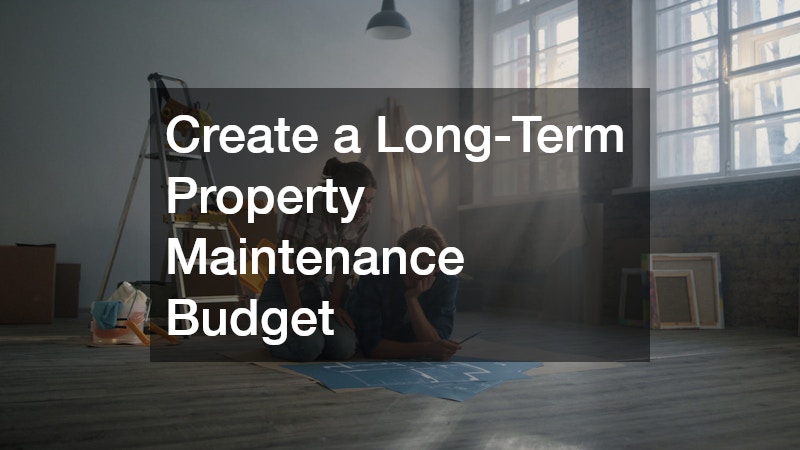
A proactive budget is one of the most effective tools for controlling maintenance costs. Instead of reacting to unexpected expenses, you’re planning for them in advance.
Start by identifying recurring costs. Services like trash pickup and routine pest control service are predictable expenses that should be accounted for in your monthly or annual budget.
Next, set aside a reserve fund for larger repairs. Even with the best maintenance plan, unexpected issues can still arise. Having a financial cushion prevents those surprises from becoming major setbacks.
It also helps to break your budget into categories, such as:
- Routine maintenance
- Emergency repairs
- Long-term upgrades
Tracking your expenses over time also helps you spot patterns. You may notice certain areas require more frequent attention, allowing you to adjust your strategy accordingly.
Another helpful habit is reviewing your budget at least once or twice a year. As your property ages or your needs change, your maintenance priorities will shift. Adjusting your financial plan ensures that you’re always prepared for what’s ahead rather than reacting after the fact.
You can also benchmark your costs against similar properties in your area to ensure you’re not overspending in certain categories. Small optimizations—like renegotiating service contracts or bundling services—can add up to meaningful savings over time.
Ultimately, a good budget isn’t restrictive—it’s empowering. It gives you the confidence to maintain your property properly without constant financial stress.
Caring for a property over the long term isn’t about reacting to problems—it’s about staying ahead of them. With consistent effort, thoughtful planning, and a willingness to invest in quality where it matters, you can significantly reduce maintenance costs while keeping your property in excellent condition.
The key is to start early, stay consistent, and think long-term. Small decisions made today often determine whether you’re dealing with minor fixes or major expenses tomorrow.