
A home exterior is much more than a collection of walls, a roof, and a lawn. It is a complex, interconnected ecosystem that serves as your property’s ultimate first impression and its primary shield against the elements. When someone drives past or walks up to your home, they should experience a fluid, logical visual transition from the edge of the street all the way to the front door.
Unfortunately, many homeowners approach exterior upgrades in isolation. They might replace a roof one year, pour a random concrete pad the next, and plant a scattering of shrubs a few years later. This piecemeal approach often results in a mismatched, clunky aesthetic, conflicting architectural styles, and logistical nightmares during installation.
Designing with seamless integration in mind means treating your entire property as a single, cohesive canvas. By harmonizing textures, coordinating color palettes, and planning proper spatial flow, you can elevate your property’s aesthetic while protecting your financial investment. This comprehensive guide provides a master plan to help you orchestrate a flawless, unified, and durable home exterior.
Shielding the Structure and Managing Flow

The highest points of your home set the tone for the rest of the property. When you look at a house from a distance, the roofline outlines the silhouette against the sky, acting as a structural frame. A well-designed roof doesn’t just protect the interior; it anchors the property’s design language, blending color and texture with the surrounding environment.
To establish a visually cohesive frame, you must carefully select materials that complement your home’s underlying architectural style. For instance, classic colonial homes benefit from the depth of architectural shingles, modern minimalist designs match the crisp lines of standing-seam metal, and Mediterranean-style properties demand the weight and curve of composite tiles. Aligning these choices ensures that your roof feels like a deliberate design choice rather than an afterthought.
Beyond material selection, coordinating color palettes is essential for design harmony. The undertones of your roof should directly correspond with your siding, trim, and masonry. If your home features cool gray stone siding, an asphalt roof with blue or charcoal undertones creates a sophisticated, unified look. Conversely, a warm brick facade pairs best with rich brown or weathered wood tones. Navigating these selections requires professional insight, which is why working with qualified roofing contractors is critical. They help ensure that structural ventilation, product warranties, and material weights are balanced with your aesthetic vision.
Once the roof is established, you must consider how water exits the structure. Water management is a major factor in home exterior longevity, but it can easily ruin a clean silhouette if handled poorly. Traditional sectional gutters are prone to sagging, conspicuous seams, and leaks that can discolor your fascia boards or erode the ground below.
To maintain clean lines and a modern appearance, a continuous drainage system is the ideal choice. Investing in seamless gutters allows you to eliminate ugly joints entirely. These systems are custom-extruded on-site to match the exact dimensions of your roofline, presenting a smooth, uninterrupted profile. They can be color-matched perfectly to your trim or fascia, rendering them virtually invisible while efficiently redirecting torrential rainfall away from your foundation.
Key benefits of an integrated roof and drainage system include:
- Enhanced structural protection by keeping water away from siding and foundation walls.
- Reduced maintenance requirements through seamless designs that resist debris clogs.
- A polished architectural profile that highlights the home’s roofline instead of distracting from it.
Designing an Inviting and Durable Approach
Curb appeal begins at the very edge of your property line. The driveway and entry paths act as the red carpet to your home, guiding the eyes and footsteps of visitors toward the front entrance. If these paths are cracked, poorly graded, or visually disconnected from the house, the entire exterior dynamic suffers.
When planning the main driveway, its size and visual prominence mean it cannot be treated as a purely utilitarian slab. The material choice must balance long-term durability with the local climate and your home’s aesthetic style. For example, a crisp, dark asphalt driveway provides a striking, high-contrast frame against a light-colored home, while offering excellent flexibility in regions prone to freezing and thawing cycles. Establishing clean, sharp edges and proper grading for water runoff requires precision, which is why hiring specialists in driveway paving is necessary to prevent premature cracking, pooling water, and premature deterioration.
To transition smoothly from a wide driveway to a more intimate entryway, you need a material change that introduces texture, color variation, and a sense of deliberate pacing. This is where hardscaping becomes an invaluable design tool. A sudden shift from asphalt to a beautifully curated walkway signals to guests that they have arrived at the living space.
Utilizing interlocking pavers allows you to design custom walkways, steps, and borders that add immense depth to your front yard. These components come in an array of earthy tones, textures, and shapes, enabling you to mirror the stone accents on your house or contrast nicely with your lawn. By laying them in elegant patterns—such as herringbone, basketweave, or running bond—you can physically steer the visual flow directly to your front porch.
Consider these tips for a high-impact entry sequence:
- Keep a consistent border color that ties the driveway, walkway, and garden edging together.
- Ensure walkway widths are at least four feet wide so two people can comfortably walk side-by-side.
- Use gentle curves instead of rigid 90-degree angles to create a more relaxed, natural approach to the home.
Creating a Harmonious and Balanced Landscape

With the hard structures and pathways in place, the next phase of a seamless exterior involves the living elements. Softscaping—the trees, shrubs, perennials, and lawns—acts as the connective tissue of your property. It softens the hard angles of the architecture, provides privacy, and embeds the home naturally into its geographic surroundings.
A common pitfall in residential landscaping is a lack of year-round structure. Homeowners often buy plants that look beautiful at the nursery in spring, only to find their yards completely bare, gray, and uninspiring by November. To avoid this, you must design a layered landscape plan that accounts for changing seasons.
Layering involves arranging plants by height, texture, and bloom cycle. Evergreen shrubs should form the backdrop against the foundation, ensuring green structure even in the dead of winter. In front of them, mid-sized deciduous shrubs and perennial flowers offer shifting bursts of color throughout spring and summer, while low-growing groundcovers tidy up the front borders. Coordinating these plant colors with your home’s exterior paint or brickwork creates an effortless visual rhythm. Collaborating with professional landscaping contractors is the best way to develop a sustainable, low-maintenance planting map tailored to your specific soil composition and sun exposure.
While low-level plantings provide color and texture, mature trees deliver scale, grandeur, and shade. However, if trees are left completely unmanaged, they can quickly disrupt the visual balance of a property. Overgrown branches can scrape against siding, block beautiful windows, cast deep shadows that encourage mold growth, or obscure the home’s silhouette entirely.
Proper tree management involves pruning for sightlines. By raising the canopy—removing lower limbs up to a certain height—you create a frame that reveals the house underneath while retaining the overhead shade. It is also vital to keep trees healthy so they do not pose a falling hazard to your new roof or driveway. Utilizing professional tree services is essential for safely removing deadwood, grinding down problematic old stumps, and performing health checks on large, mature trees situated close to your living structures.
A well-balanced landscape strategy focus should include:
- Selecting native plants that thrive with minimal water and fertilizer.
- Incorporating a mix of deciduous and evergreen species for continuous year-round appeal.
- Keeping a clear buffer zone of at least three feet between your home’s siding and any mature plantings to promote airflow.
Elevating the Backyard Oasis
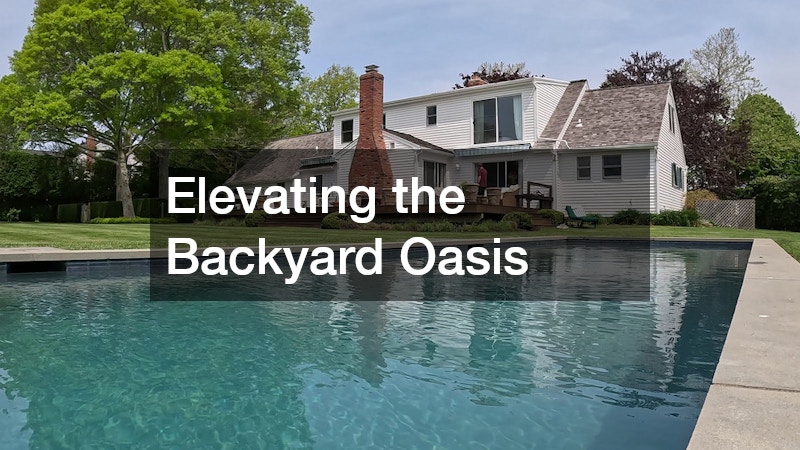
As you move from the public view of the front yard to the private sanctuary of the backyard, the design philosophy must remain steadfast. The backyard should feel like an outdoor extension of your indoor floor plan. If you have large glass doors leading outside, the transition to the patio should be smooth, level, and natural.
Dealing with sloped yards or uneven terrain is often the biggest obstacle to achieving this flow. Splitting the yard into distinct tiers can maximize usable space while preventing a chaotic appearance. For modern outdoor living, you need flat, structurally sound zones that can support outdoor kitchens, heavy dining sets, or fire pits without shifting or cracking over time.
Relying on precise concrete services allows you to pour flawless, durable foundations for these recreational zones. Whether you opt for a sleek, minimalist brushed finish or choose stamped and stained options that mimic natural flagstone, a professionally poured foundation provides a uniform surface that anchors your outdoor furniture and defines individual functional areas.
Once the foundational zones are secure, you can look into integrating luxury water features. A swimming pool or spa should never feel like a random object dropped into the center of a lawn. Instead, it should align with the geometry of your patio, the paths coming from the house, and the surrounding natural views.
The coping, decking, and safety fencing around a pool must be integrated with the colors and materials used throughout the rest of your hardscaping. Consulting top-tier pool companies during the initial stages of your master plan ensures that critical components like plumbing lines, electrical runs, excavation boundaries, and drainage systems match up perfectly with your landscaping and patio layouts. This proactive coordination avoids costly re-excavation and keeps your backyard paradise looking completely unified.
To optimize your backyard living space, remember to:
- Match outdoor flooring colors with indoor flooring tones to blur the line between inside and out.
- Incorporate retaining walls that double as extra bench seating for guests.
- Group utility elements, like pool pumps and air conditioning units, behind decorative screens or plantings out of direct sightlines.
Long-Term Preservation and Maintenance
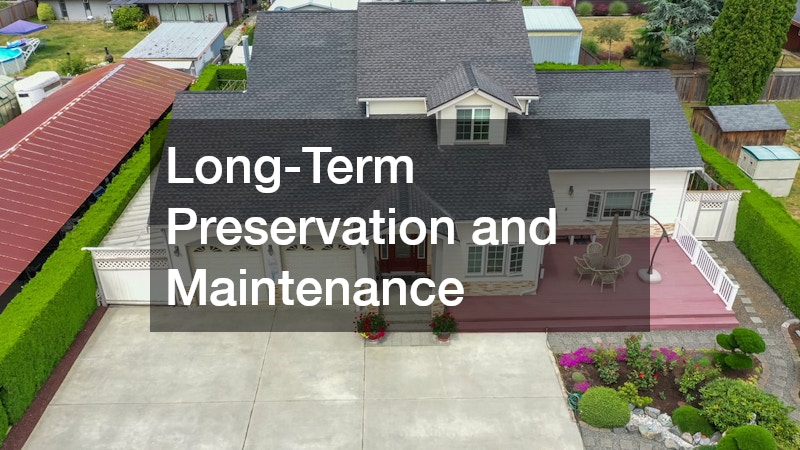
The construction of a seamless home exterior is a major milestone, but maintaining that cohesive beauty requires a proactive preservation strategy. Over time, environmental factors like ultraviolet rays, heavy rain, changing temperatures, and pollution will take a toll on even the highest-quality materials. When one element of your exterior begins to fade, rot, or collect grime, it degrades the visual harmony of the entire property.
The most common culprit behind a dull exterior is the accumulation of organic growth. Over the course of a year, algae, mold, mildew, and airborne dust settle into the porous surfaces of your siding, brickwork, wooden decks, and walkways. This not only looks uninviting, but it can also prematurely degrade paint coatings and mortar joints.
Regular cleaning is vital, but using the wrong methods can do more harm than good. High-pressure water applied incorrectly can strip paint, gouge wood, and blast away the vital polymeric sand between your pavers. Scheduling an annual pressure washing service with trained specialists ensures that the correct, customized water pressures and biodegradable cleaning solutions are used for each unique surface. This targeted care removes stubborn grime and instantly restores the bright, clean, uniform look your home had when it was first built.
Just as your home’s vertical walls need cleaning, your horizontal asphalt surfaces require active chemical protection. Driveways take a massive beating from regular vehicle traffic, UV exposure, automotive oil drips, and winter road salts. Left unprotected, the rich, deep black finish of an asphalt driveway will oxidize into a brittle, dull gray surface marred by spiderweb cracks.
Applying regular sealcoating services is the definitive way to halt this degradation. A high-quality sealant acts as a sacrificial barrier, absorbing the brunt of UV radiation and chemical spills while locking out moisture that could freeze and crack the pavement from within. Keeping your driveway jet-black and perfectly smooth provides a striking contrast against your green lawns and stone walkways, preserving the sharp, intentional look of your home’s entryway.
A solid preventative maintenance schedule should include:
- Clearing leaves and twigs from gutters twice a year to ensure free water flow and prevent overflow stains.
- Inspecting hardscape joints annually and topping off joint sand to stop weed growth.
- Doing a seasonal walkthrough to catch minor paint chips, roof tile shifts, or masonry cracks before they evolve into large, unsightly problems.
Constructing a seamless home exterior is a rewarding journey that requires a shift from isolated, impulsive projects to a holistic, big-picture mindset. By viewing your property as an integrated ecosystem—where the roofline coordinates with the gutters, the driveway transitions smoothly into paver walkways, and the softscaping frames the entire structure—you create a powerful visual narrative that drastically increases your home’s aesthetic and financial value.
Before embarking on your next exterior upgrade, take the time to develop a comprehensive master plan. Outline your desired color palettes, choose complementary textures, and sketch out the physical flow of your property. Armed with a unified vision, you can collaborate effectively with specialized trade professionals, ensuring that every piece of the puzzle fits together beautifully to form a stunning, durable, and truly seamless home.