
Many homeowners live in a state of constant compromise with their homes. You might find yourself turning up the thermostat in the dead of winter, only to notice that the living room remains freezing while the upstairs bedrooms feel like a sauna. In the summer, your cooling system might run continuously, racking up massive utility bills while doing very little to cut down on that heavy, humid air in the kitchen. True home comfort is rarely as simple as turning a dial on the wall. When you rely entirely on your heating and cooling equipment to force a comfortable climate into an inefficient house, you are fighting a losing battle against physics.
The air inside your home is trapped within an ecosystem known as the building envelope. This envelope includes your roof, walls, windows, doors, and foundation. If this perimeter is compromised by micro-gaps, thermal bridging, or degraded materials, your conditioned air constantly escapes while erratic outdoor temperatures breach your living space. To achieve absolute mastery over your indoor environment, you have to look at the house as a complete machine. By combining structural reinforcements with highly calibrated mechanical updates, you can eliminate drafts, balance humidity, and dramatically lower your monthly energy costs.
Sealing the Shell: Upgrading Your Home’s Structural Shield
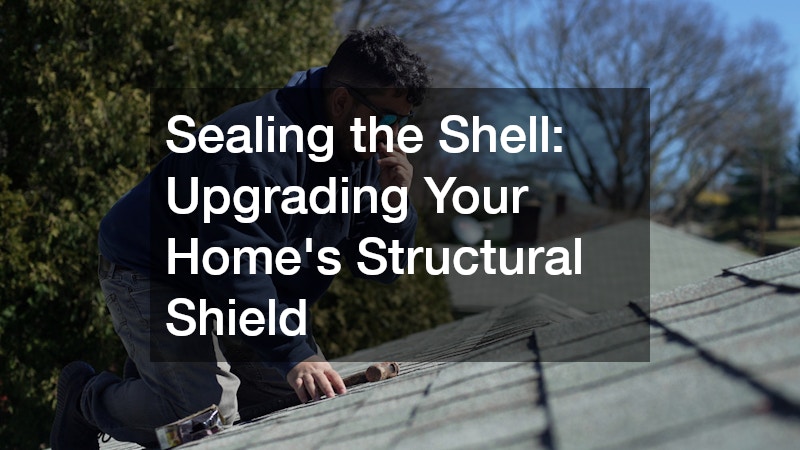
Your exterior walls and roof form the absolute baseline of your home’s thermal defense. If these components are deteriorated or under-insulated, outdoor heat and cold bypass your interior walls via a process called thermal bridging. This occurs when highly conductive building materials create a direct pathway for temperatures to transfer from the outside world into your living space.
To break this energy transfer, you must evaluate the protective layers wrapping your home. When exterior siding begins to warp, crack, or pull away from the framing, it stops acting as a weather barrier and starts trapping moisture, while allowing air to bleed freely through the wall cavities.
Upgrading this outer shell provides an ideal opportunity to insert a continuous layer of rigid foam insulation directly beneath the new exterior panels. This creates a thermal break that blocks cold winter winds and scorching summer heat long before they ever reach your interior drywall. To ensure this barrier is airtight and handles moisture correctly, it is highly recommended to collaborate with a professional siding contractor who understands how to seal transition points around windows, corners, and foundations.
Moving higher up the structure, your roof is subject to the most intense weather extremes. On a bright summer day, a dark roof can easily reach temperatures exceeding 150 degrees Fahrenheit. If your attic lacks proper airflow or adequate insulation, that intense heat radiates downward into your ceiling, forcing your cooling equipment to work twice as hard.
Homeowners should monitor their roofs for signs of degradation, such as curling shingles, loss of protective granules, or localized leaks that can ruin attic insulation. When planning repairs or total replacements, consulting a certified residential roofer allows you to integrate modern ventilation solutions, such as continuous ridge and soffit vents, which naturally exhaust trapped heat and protect your home’s microclimate.
- Check your attic insulation depth; it should completely cover the floor joists and meet the recommended R-value for your climate zone.
- Look out for ice dams along the roofline in the winter, as they are a definitive sign that heat is escaping from your living space into the attic.
- Ensure that your exterior walls are properly wrapped with a high-quality weather-resistant barrier during any structural remodeling.
Managing Thermal Gain: Windows and Glass Optimization
Glass surfaces are beautiful design elements that welcome natural light into a home, but they are also notorious weak links in your thermal defense. In fact, standard glass allows solar radiation to stream directly into a room, trapping infrared heat inside like a greenhouse. During the colder months, poorly insulated window frames do the exact opposite, letting expensive indoor heat conduct directly to the cold outdoors.
One of the most cost-effective ways to manage this solar heat gain without altering the appearance of your home is through aftermarket glass treatments. Micro-thin, spectrally selective films can be applied directly to your existing glass surfaces. These films are engineered to reflect a vast majority of infrared heat and ultraviolet rays while remaining completely translucent to visible light.
Investing in residential window tinting keeps your south and west-facing rooms significantly cooler during peak afternoon hours, protects your furniture from fading, and removes the blinding glare that often ruins the comfort of a home office or living room.
While topical films do wonders for solar radiation, they cannot fix structurally failing window units. If your window frames have warped over time, or if the seals on your double-pane glass have ruptured, air will leak through the perimeter continuously. You can often diagnose this by holding a lit incense stick near the window frame on a windy day; if the smoke dances or blows sideways, your indoor climate is actively escaping.
When frames are too damaged to salvage, investing in a comprehensive window installation project is the best path forward. Modern replacement windows feature multi-pane glass filled with insulating argon gas and utilize low-emissivity coatings that actively bounce radiant heat back to its source, whether that means keeping summer heat outside or winter warmth inside.
- Prioritize window frames made of vinyl, fiberglass, or insulated wood composites, as these materials expand and contract minimally during seasonal shifts.
- Look for the Solar Heat Gain Coefficient rating on new glass units; a lower number means less unwanted heat enters your home.
- Inspect the caulking around your window perimeters annually and replace any dried, cracked sealant immediately to prevent minor drafts.
Calibrating the Core: Fine-Tuning Your HVAC System
Even the most perfectly insulated home envelope still requires an efficient mechanical core to circulate, filter, and condition the air. Your heating, ventilation, and air conditioning setup functions as the lungs of your home. If this equipment is neglected, its performance drops off a cliff, leading to uneven air distribution, stagnant humidity levels, and premature mechanical breakdowns.
When warm weather rolls around, your cooling system needs to move an immense volume of air across a series of freezing evaporator coils to strip heat and moisture out of the house. If the airflow is restricted by clogged filters or if the external condenser unit is choked with dirt and debris, the system will run extended cycles without ever satisfying the thermostat.
To prevent this drop in performance, you should establish a relationship with experienced air conditioning contractors who can check refrigerant levels, clean sensitive internal components, and ensure that the blower motor is operating at the exact speed required for your home’s square footage.
Beyond single-appliance tune-ups, total climate control requires regular analysis of your entire air delivery network, including your ductwork and automated controls. Leaky ducts hidden in crawlspaces or attics can lose up to 30% of conditioned air before it ever reaches your registers, creating major temperature imbalances between different zones of the house.
Scheduling a comprehensive HVAC service at least twice a year guarantees that your entire system is evaluated as a singular ecosystem. A technician can perform pressure testing to find hidden duct leaks, calibrate your system’s overall airflow, and verify that your smart thermostat is reading room temperatures accurately.
- Replace your system’s air filters every 30 to 90 days depending on pet ownership and household size to maintain unrestricted airflow.
- Keep the outdoor condenser unit clear of tall grass, weeds, leaves, and overhanging branches to allow for proper heat rejection.
- Make sure your indoor supply vents and return grilles are completely unblocked by furniture, curtains, or rugs.
Maximizing Heating Reliability for the Colder Months
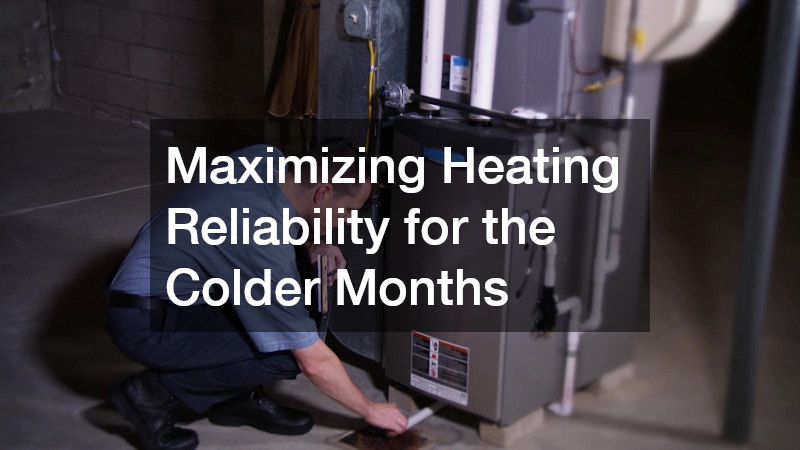
When winter settles in, your home’s climate priorities shift entirely toward safe, reliable, and consistent heat generation. A malfunctioning heating system does more than just cause temporary discomfort; it can lead to dangerous indoor temperature drops that threaten the integrity of your plumbing and structure.
If your heating unit frequently turns on for a few minutes and then abruptly shuts off, it is experiencing a phenomenon known as short-cycling. This behavior places immense strain on mechanical components, skyrockets your fuel consumption, and prevents heat from spreading evenly to distant rooms. Short-cycling is often triggered by overheating heat exchangers, faulty sensors, or failing ignition systems.
Addressing these issues early by booking a professional furnace repair will restore smooth, efficient heating cycles and eliminate the frustrating temperature swings that occur when a system is struggling to stay online.
For homes that rely on oil-based heating infrastructure, climate control is also heavily dependent on the steady delivery and efficient combustion of fuel resources. If your heating setup is running on degraded fuel or dealing with a buildup of sludge at the bottom of the storage tank, the burner will struggle to atomize the fuel correctly, resulting in a weak flame and lowered thermal output.
Sourcing high-quality, ultra-low sulfur home heating oils ensures that your equipment burns as cleanly as possible, drastically reducing the accumulation of soot inside the combustion chamber and keeping your heating output completely steady during sub-zero cold snaps.
- Test your home’s carbon monoxide detectors before the start of every heating season to ensure your combustion equipment is venting safely.
- Have a technician inspect the furnace flame; a steady blue flame indicates clean combustion, while a flickering yellow flame points to a mix problem.
- Keep your fuel storage tank filled throughout the year to minimize the amount of condensation and water buildup that can form on the empty interior walls.
Addressing Forgotten Climate Zones: Floors and Buffers

When evaluating indoor comfort, many homeowners overlook the ground beneath their feet and the transitional spaces attached to their living quarters. These areas are silent contributors to climate instability, acting as massive thermal heat sinks that drain energy continuously from your main living areas.
Rooms located directly above unheated spaces, such as crawlspaces or concrete basements, often suffer from chronically cold floors. This occurs because the cold air underneath absorbs the heat right out of your flooring materials. If your feet are cold, your entire body feels chilled, prompting you to crank up the thermostat even if the ambient air in the room is technically warm.
To correct this, you can look into professional flooring services to install high-density insulation underlayments, acoustic cork barriers, or radiant floor heating webs beneath your new laminates, hardwoods, or carpets. This completely alters the thermal dynamics of the room, blocking rising dampness and creating a warm touch surface that stabilizes the entire room’s temperature profile.
Another common climate dead-zone is the wall shared between your home and an attached garage. Most garages are entirely unconditioned spaces that fluctuate wildly with the weather. If the garage door is thin, uninsulated, or missing its perimeter weatherstripping, the garage becomes a staging ground for freezing drafts or intense radiant heat that presses directly against your interior living walls.
Reaching out to a local specialist for comprehensive garage door services will allow you to replace old, hollow doors with multi-layer polyurethane insulated models. This effectively turns your garage into a stable thermal buffer zone, protecting the interior rooms of your house from sudden temperature changes whenever the garage doors are opened or closed.
- Check the weatherstripping on the pedestrian door that connects your kitchen or hallway to the garage; it should form a completely airtight seal.
- If you have a crawlspace, ensure that the floor joists are insulated from underneath with the vapor barrier facing upward toward the warm living space.
- Consider using area rugs with thick felt pads in rooms with stone or tile flooring to quickly add an extra layer of thermal resistance.
Mastering your indoor climate is a multi-faceted process that goes far beyond simply upgrading a single piece of equipment. True, sustainable comfort requires a clever combination of a sealed structural envelope and highly optimized mechanical systems working in unison. When you eliminate thermal bridging through your siding and roof, upgrade your glass to reject solar radiation, seal off transitional vulnerabilities like garages and floors, and commit to routine mechanical diagnostics, your home stops working against you.
The rewards of taking a comprehensive approach to your home envelope are immediate and long-lasting. You will finally get rid of those annoying hot and cold spots, enjoy much cleaner indoor air, and notice a significant drop in your monthly utility costs. Take the time to evaluate your home zone by zone, target the largest structural leaks first, and build a network of trusted specialists to keep your home running smoothly, efficiently, and comfortably for years to come.