
For most people, a house is the single largest financial investment they will ever make. Yet, it is surprisingly easy to treat homeownership like a set-and-forget proposition—until something breaks. A minor roof leak goes unnoticed during a dry summer, only to turn into a major ceiling collapse during the first heavy autumn downpour. A furnace that ticked along fine last winter suddenly refuses to fire up on the coldest night of the year.
The true secret to protecting a home is not waiting for catastrophic breakdowns, but adopting a proactive seasonal care routine. Homes are complex ecosystems where mechanical systems, structural barriers, electrical infrastructure, and water lines constantly interact with shifting weather conditions. When you stay ahead of seasonal wear and tear, you preserve structural integrity, prevent multi-thousand-dollar emergency repairs, keep monthly utility bills low, and ensure your home remains a safe, resilient sanctuary for decades to come.
Preparing Exterior Drainage and Outdoor Fixtures for Weather Shifts
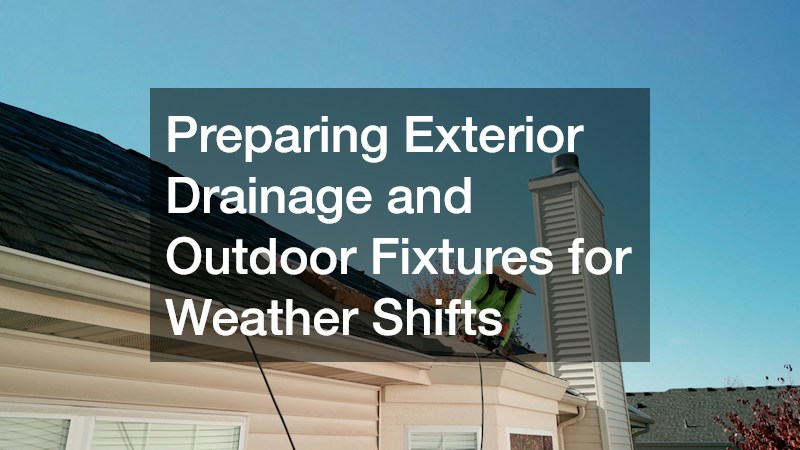
Water is both an essential resource and a primary threat to structural longevity. When uncontrolled rainwater pools around a foundation, it exerts immense hydrostatic pressure against basement walls, leading to hairline cracks, basement flooding, and severe soil erosion. Protecting your building envelope starts at the roofline and extends all the way through your landscape water lines.
Before seasonal rainstorms arrive, inspecting roof drainage systems is paramount. Over a few months, leaves, twigs, and roof shingle granules accumulate in channels, creating solid dams. When water cannot flow freely down the downspouts, it backs up under the roof edge, rotting fascias, soffits, and ceiling joists. Routine gutter maintenance ensures that heavy rainwater is channeled cleanly away from the foundation. Downspouts should discharge at least four to six feet clear of the house to prevent foundation settlement and localized soil erosion.
Similarly, subsurface irrigation setups require careful seasonal preparation. Leaving water trapped in underground plastic lines over the winter leads to ice expansion, cracked manifolds, and split pop-up heads.
Furthermore, ignoring outdoor faucet isolation during early autumn freezes can cause trapped water in supply lines to expand backward into interior walls. When copper or PEX supply lines split behind drywall, the resulting leaks often go undetected until structural framing becomes saturated and mold colonies take root.
Seasonal Outdoor Water Systems Checklist
- Flush out all roof channels and test downspout flow with a garden hose before heavy autumn rains begin.
- Disconnect all garden hoses from outdoor sillcocks to prevent back-pressure freeze damage inside wall cavities.
- Perform necessary sprinkler repair, including replacing damaged spray nozzles, adjusting coverage arcs, and blowing out lines with compressed air before the first hard freeze.
- Inspect foundation grading to ensure soil slopes downward at least six inches over the first ten feet away from the structure.
Maintaining Year-Round Climate Systems and High-Efficiency Heating
HVAC systems are the heavy lifters of household comfort and indoor air quality. Because heating and cooling units operate behind the scenes, they are often neglected until they fail during peak weather extremes—precisely when service technicians are busiest and emergency rates are highest.
Summer heatwaves put immense strain on cooling equipment. Dust, pollen, and grass clippings wrap around outdoor condenser coils, restricting air intake and forcing the compressor to work twice as hard to cool the interior. Performing seasonal ac maintenance—such as rinsing condenser fins, replacing indoor pleated air filters, and clearing condensate drain lines—restores cooling efficiency, extends compressor life, and lowers monthly electric bills significantly.
When transition season arrives, attention must shift immediately to heating infrastructure. Aging heating equipment loses thermal efficiency over time due to heat exchanger corrosion, cracked burners, and failing blower motors. Modern high-efficiency new furnaces deliver dramatic energy savings compared to units installed just fifteen years ago, converting up to ninety-eight percent of fuel directly into usable indoor heat while offering whisper-quiet variable-speed operation.
Beyond basic equipment replacement, establishing a routine schedule for ductwork inspection and airflow balancing ensures that heated or cooled air is delivered evenly across all rooms. Sealing loose duct connections in unconditioned basements or attics prevents conditioned air from leaking into unconditioned spaces, reducing energy loss and ensuring that climate systems run smoothly year after year.
Preserving Utility Water Quality and Off-Grid Electrical Readiness
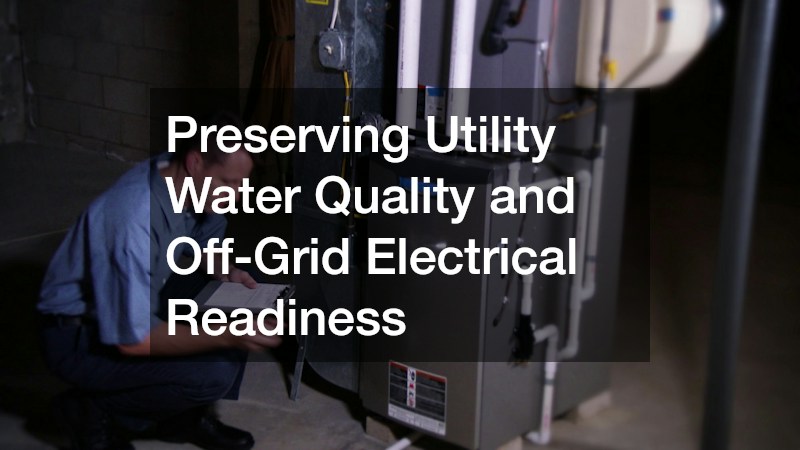
Self-sufficient home systems demand specialized attention. For homes relying on private groundwater wells and standalone emergency power supplies, seasonal transitions present unique operational challenges that require methodical testing and preventive servicing.
Private groundwater systems rely on submerged pumps, pressure tanks, and control switches operating in damp, enclosed environments. Routine water well maintenance involves checking pressure tank bladders, testing water quality for bacterial contamination, inspecting sanitary well caps, and verifying pressure switch cut-in and cut-out thresholds to ensure smooth water delivery year-round. Over time, mineral scale can restrict internal pressure switches, causing rapid pump cycling that wears out starting capacitors and motor windings prematurely.
Equally critical for home resilience is emergency electrical power. During severe weather events, standby engines must start automatically and handle sudden heavy electrical loads. Neglecting generator repair and routine servicing—such as replacing stale fuel, changing oil, replacing spark plugs, and inspecting battery terminals—leaves homes completely vulnerable to prolonged grid blackouts.
Maintaining off-grid readiness involves a three-step routine:
First, conduct a fluid and battery inspection by checking engine oil levels, coolant, and battery terminal voltage.
Second, perform fuel quality and filter service by inspecting fuel lines, adding stabilizer to stored fuel, and replacing clogged filters.
Third, complete an operational exercise under load by running the unit for thirty minutes connected to an active home electrical load.
Exercising emergency power units monthly under actual household load ensures that mechanical components stay properly lubricated and that transfer switches perform flawlessly when primary utility power drops out unexpectedly.
Securing Indoor Electrical Systems and Exterior Building Envelopes
A home’s internal wiring and physical barrier seals work constantly to keep living spaces safe, functional, and energy-efficient. As a house settles and seasonal humidity shifts cause materials to expand and contract, subtle electrical and structural vulnerabilities develop.
Overloaded circuits, loose terminal screws behind outlets, and outdated breaker panels pose subtle fire risks and lead to intermittent power losses. Scheduling a comprehensive electrical repair check with a qualified professional resolves flickering lights, warm switch plates, and tripped breakers before dangerous short circuits occur. Testing Ground Fault Circuit Interrupter (GFCI) outlets monthly in kitchens, bathrooms, and garages ensures life-safety systems remain fully operational.
On the physical exterior, window and door screen mesh often develops tears, splits, and loose spline seals from sun exposure and physical wear. Completing prompt screen repair keeps mosquitoes, flies, and other pests out while allowing homeowners to open windows and take advantage of natural cross-ventilation during pleasant spring and autumn months, reducing overall reliance on mechanical cooling.
In addition to screening, inspecting caulking and weatherstripping around window casings and door frames prevents subtle drafts from undermining indoor climate control. Cold air intrusion during winter forces heating equipment to run longer cycles, increasing mechanical wear and pushing monthly fuel costs unnecessarily high.
Safeguarding High-Traffic Surfaces and Managing Overall Upkeep

The garage is often the most heavily used entry point in a modern home, subjected to vehicle weight, road salt, oil drips, chemical spills, and heavy foot traffic. Unprotected concrete absorbs fluids, leading to spalling, cracking, and unsightly staining over time.
Applying professional polycuramine or epoxy coatings to garage flooring creates a seamless, chemical-resistant shield that stops liquid penetration, simplifies cleaning, and instantly elevates the garage into a clean, functional extension of the home.
Ultimately, long-term home preservation relies on establishing a disciplined property maintenance schedule. Dividing tasks into manageable quarterly routines prevents seasonal maintenance from feeling overwhelming, keeping small maintenance items from cascading into major structural or mechanical repairs down the road.
Setting up a digital home maintenance binder or using a dedicated mobile app allows you to track serial numbers, filter dimensions, warranty dates, and service logs for every major system in your home. Keeping detailed service records not only helps you stay organized, but also provides clear proof of conscientious homeownership when it comes time to sell your property.
Conducting Thorough Seasonal Structural Audits
While mechanical systems often receive the most attention, the physical structure of your home requires consistent monitoring to catch subtle signs of wear before they turn into major structural repairs. Seasonal changes bring shifting moisture levels, extreme temperature variations, and soil movement that can slowly compromise foundations, framing, and siding.
Conducting a thorough seasonal walk-through of your basement or crawlspace is essential for detecting early moisture issues. Look for efflorescence—a white, powdery mineral deposit left behind when water evaporates through concrete walls. Efflorescence indicates that groundwater is seeping through porous foundation materials, signaling the need for improved exterior drainage, sump pump servicing, or fresh exterior masonry sealing.
Similarly, inspecting your roof structure from inside the attic offers critical clues about your home’s thermal and moisture defenses. During late autumn and winter, look for signs of localized frost or condensation on the underside of roof decking, which points to inadequate attic ventilation or leaking ceiling bypasses. Addressing ventilation issues prevents winter ice dams on roof edges and protects roof shingles from overheating during summer months.
Essential Steps for Exterior Envelope Audits
- Inspect exterior masonry, brick mortar joints, and siding lap seams for cracks or gaps where driving rain can penetrate wall assemblies.
- Check attic insulation depth and ensure soffit vents remain completely clear of loose insulation to maintain continuous airflow from eaves to ridge vents.
- Examine chimney flashing, pipe boots, and skylight seals for cracked caulking or lifted metal edges that could allow water intrusion during heavy storms.
- Verify that sump pumps operate smoothly by pouring a bucket of water into the sump pit to test float switch activation and check valve performance before heavy seasonal rains hit.
Creating an Actionable Multi-Year Maintenance Strategy

A successful approach to home care requires looking beyond immediate seasonal tasks and planning for medium- and long-term mechanical lifespans. Every major system in your house—from roofing materials and hot water tanks to driveways and HVAC compressors—has a predictable operational lifecycle. By developing a rolling multi-year maintenance plan, you can budget for major system replacements well before equipment reaches total mechanical failure.
Start by creating an inventory of all primary mechanical systems, recording their age, estimated remaining operational life, and typical replacement costs. This proactive financial planning prevents the stress of unexpected capital expenditures and allows you to upgrade to higher-efficiency models on your own timeline, rather than making hasty emergency purchase decisions when an old system breaks down in the middle of a winter storm.
In addition to financial budgeting, establishing relationships with trusted service professionals before emergencies happen ensures faster response times when urgent issues arise. Knowing who to call for specialized utility work, roof repairs, or electrical updates gives you peace of mind and keeps your home running smoothly through every season.
Modernizing Indoor Environmental Quality and Thermal Barriers
Seasonal changes bring distinct impacts on indoor environmental safety and living space comfort. While home maintenance conversations heavily focus on structural stability and major mechanical power plants, indoor air health and thermal envelope seals play an equally critical role in family health and household budget preservation.
As seasons shift, changes in outdoor humidity levels directly influence the relative moisture balance inside living areas. Excess indoor humidity during warm spring and summer months encourages dust mite proliferation, accelerates mold spore activity, and forces air conditioning compressors to work overtime pulling latent heat out of damp air. Conversely, extremely dry winter air causes interior wood trim to shrink, opens gaps in tongue-and-groove flooring, and irritates respiratory passages. Maintaining a stable indoor relative humidity level between thirty and fifty percent protects structural woodworking and reduces the energy required to heat or cool the house.
A comprehensive seasonal audit should include inspecting thermal barriers along window assemblies, exterior door thresholds, and attic access hatches. Over time, original rubber weatherstripping becomes brittle and compresses, losing its elasticity and creating subtle air gaps. Replacing worn door sweeps and applying fresh silicone caulking around window frames stops air infiltration, creating a tight physical barrier that locks in conditioned air.
Steps for Seasonal Air Quality and Envelope Optimization
- Inspect, clean, or replace whole-home humidifier evaporator pads before turning on primary heating equipment for the winter season.
- Clean clothes dryer exhaust vents from the interior connection all the way to the exterior wall cap to prevent lint blockages, reduce fire risks, and lower drying cycle times.
- Check the mechanical operation and air seals of bathroom exhaust fans to ensure moisture is vented completely outdoors rather than leaking into attic spaces.
- Apply high-grade exterior caulk around hose bib penetrations, outdoor electrical conduits, and exhaust flues to block drafts and prevent pest entry.
Protecting a home is an ongoing commitment to proactive care rather than reactive fixes. By systematically inspecting exterior drainage, servicing climate control systems, maintaining private utilities, securing electrical networks, preserving interior surfaces, and conducting structural audits, you shield your property against extreme weather and natural wear. Investing a little time and attention each season keeps your household running efficiently, safeguards your equity, and ensures long-term safety and comfort.