
If your home still has the same electrical panel and wiring it had twenty or thirty years ago, it may be quietly struggling to keep up with how you actually live today. Modern households run more devices, appliances, and connected technology than ever before, and outdated systems were never built to handle that load. The result can be tripped breakers, flickering lights, or worse, hidden fire hazards behind your walls. Understanding what an upgrade involves and why it matters can help you make a smarter decision for your home’s safety and long-term value.
Recognizing the Signs of an Outdated Electrical Panel
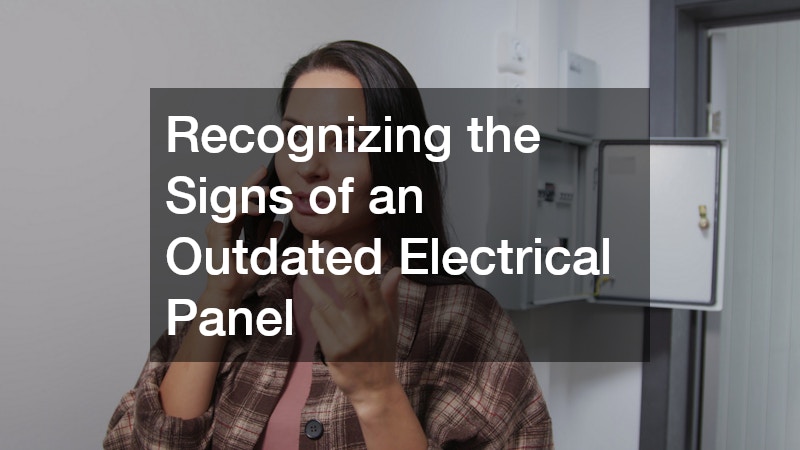
Most electrical panels are designed to last between 25 and 40 years, but many homes still operate on panels installed decades ago that were never meant to support today’s power demands. If your panel still uses fuses instead of circuit breakers, or if you have a Federal Pacific or Zinsco panel — brands identified for higher failure rates — it’s worth having an electrician evaluate it regardless of age.
If you notice frequent breaker trips, warm or discolored outlets, flickering lights when appliances kick on, or a persistent burning smell near your panel, these are not minor annoyances to ignore. Other warning signs include a panel that buzzes or crackles, breakers that feel hot to the touch, or the need to run extension cords because you’ve run out of usable outlets. Any of these symptoms can point to overloaded circuits or deteriorating internal components that pose a real fire risk.
Older fuse boxes and panels rated for 60 or 100 amps often cannot safely handle modern appliance loads, electric vehicle chargers, or expanded home systems. Today’s households frequently run central air conditioning, electric ranges, hot tubs, home offices packed with electronics, and EV chargers, all of which push demand well past what a 60-amp service was ever built to provide. Most modern homes now call for at least 150 to 200 amps of capacity to handle this load safely and leave room for future additions.
Before scheduling any upgrades, it helps to know the telltale warning signs yourself. Frequent breaker trips, flickering lights, warm outlets, a persistent burning smell near the panel, or a panel still relying on fuses instead of circuit breakers are all red flags. Homes with panels rated below 100 amps often struggle to keep up with modern demands like HVAC systems, electric vehicle chargers, and multiple large appliances running at once.
A qualified local electrician can inspect your panel and tell you whether it needs a full replacement or simply an upgrade to a higher amperage service, such as moving from 100 amps to 150 or 200 amps. During this evaluation, they’ll also check for outdated brands known for safety issues, like Federal Pacific or Zinsco panels, and confirm that your wiring and grounding meet current code requirements.
This evaluation is one of the most important first steps before adding any new electrical systems to your home, whether that’s a hot tub, a home office setup, or a whole-house generator. Catching these issues early can prevent costly emergency repairs and reduce fire hazards down the road.
- Frequent breaker trips during normal daily use, especially when running the microwave, hair dryer, or AC at the same time
- Discoloration or scorch marks around outlets, switches, or the panel cover itself, which signal overheating wires
- A panel that still uses fuses instead of circuit breakers, common in homes built before the 1960s
- Buzzing, crackling, or humming sounds coming from the panel or outlets, often a sign of loose connections
- Lights that dim or flicker when larger appliances turn on, suggesting the system is straining under load
- A panel rated below 100 amps, which struggles to support modern appliances, electronics, and EV chargers
- Warm or hot spots on the panel cover or nearby outlets, a warning sign of dangerous wiring stress
- Persistent burning smells near outlets or the electrical panel with no obvious source
Supporting Whole Home Automation With Updated Wiring
Smart thermostats, connected lighting, video doorbells, and voice-controlled assistants have become standard in many households, but they all rely on stable power and adequate bandwidth-friendly wiring. Older electrical systems were not designed with these devices in mind, which can lead to connectivity issues, inconsistent performance, or overloaded circuits. Upgrading your wiring and panel capacity creates a more reliable foundation for home automation to function the way it was intended.
Beyond convenience, a properly wired smart home can also improve energy efficiency and safety monitoring. Automated systems can alert you to water leaks, unusual temperature changes, or even electrical faults before they become serious problems, but only if the underlying wiring can support consistent data and power flow.
Preparing Your Home for Backup Power Solutions

Power outages seem to be happening more frequently in many regions, whether from severe storms, grid strain, or aging infrastructure. A properly planned generator installation can keep your essential systems running, from refrigeration to medical equipment to home heating and cooling. However, this kind of addition requires your existing electrical panel to be compatible and correctly configured with a transfer switch.
Whole home generators and portable backup units both have different wiring requirements, and getting this wrong can create serious safety risks, including backfeeding electricity into utility lines. Working with a professional ensures the system integrates properly with your home’s panel and meets local code requirements.
- Standby generators connect directly to your home’s electrical system
- Portable generators require a properly installed transfer switch
- Fuel type, generator size, and panel capacity must all be matched correctly
- Permits and inspections are typically required for permanent installations
Powering Outdoor Living Spaces and Structures
Outdoor renovations have surged in popularity, and many homeowners are investing in decks, patios, and enclosed porches that require dedicated electrical circuits for lighting, fans, speakers, and heaters. If you are working with local deck builders on a new structure, it is worth planning electrical needs early rather than adding them as an afterthought. Retrofitting wiring into a finished deck or porch is far more expensive and disruptive than installing it during construction.
Similarly, if you are hiring a screened in porch contractor to enclose an existing space, ask about electrical capacity for ceiling fans, outlets, and lighting fixtures. These additions draw power from your home’s main system, so your panel needs enough spare capacity to support them without overloading existing circuits.
Coordinating Electrical Work With Landscaping Projects
Many homeowners do not realize how closely electrical planning and landscaping design are connected. Outdoor lighting, irrigation timers, water features, and heated walkways all require buried wiring and dedicated circuits that should be mapped out before landscape businesses begin digging or installing hardscape features. Coordinating these plans in advance prevents costly rework and reduces the risk of accidentally damaging wiring during future yard projects.
If you are planning a larger outdoor renovation, it helps to have your landscaper contractor and your electrician communicate directly about where lines will run. This is especially important for low-voltage landscape lighting systems, which still need to be connected to a transformer wired into your home’s electrical panel.
- Mark existing underground utility lines before any digging begins
- Plan lighting and irrigation circuits together to avoid duplicate trenching
- Use weatherproof, rated materials for all outdoor electrical components
- Schedule electrical rough-in work before hardscaping is finalized
Protecting Electrical Lines From Yard Maintenance Hazards
Overgrown trees and large shrubs near power lines are one of the most overlooked causes of residential electrical damage. Falling limbs can knock down service lines, damage meter boxes, or cause outages during storms, and routine lawn care services alone will not address this risk since it typically falls outside standard mowing and trimming contracts. Homeowners should periodically assess trees near overhead lines and the electrical mast entering their home.
When branches are hanging dangerously close to service wires or your roofline, it is safer to bring in a tree removal company that has experience working near electrical infrastructure. Attempting to trim large limbs near power lines without proper training and equipment is genuinely dangerous and best left to professionals who coordinate with utility providers when necessary.
Upgrading Circuits for Home Entertainment Systems
Modern entertainment setups draw significantly more power than the televisions and stereo systems of decades past. Surround sound systems, large format displays, gaming consoles, and streaming equipment all benefit from dedicated circuits that prevent flickering or interference during heavy use. If you are planning a home theater installation service, it is worth discussing electrical capacity requirements before equipment is mounted and wired in.
A dedicated circuit also protects sensitive electronics from voltage fluctuations that can occur when multiple devices share a single circuit with other household appliances. This is a relatively small addition during a panel upgrade but can meaningfully extend the lifespan of expensive audio and video equipment.
Meeting Electrical Demands of Electric Vehicle Charging
Electric vehicle ownership continues to grow, and Level 2 home charging stations require a dedicated 240-volt circuit, typically drawing between 30 and 50 amps depending on the charger model. Many older panels simply do not have the spare capacity to add this kind of load without a service upgrade. Attempting to run an EV charger off an undersized or outdated panel can lead to nuisance tripping or, in worse cases, overheating.
Planning ahead is especially important if you anticipate purchasing an electric vehicle within the next few years, since it is often more cost-effective to upgrade your panel once rather than twice. A proper assessment beforehand ensures your home can support both current appliances and future charging needs simultaneously.
- Level 2 chargers require a dedicated 240-volt circuit
- Panel capacity should be evaluated before installation, not after
- Charger placement affects wiring length and installation cost
- Some utility companies offer rebates for EV charging installations
Scheduling Regular Electrical Safety Inspections
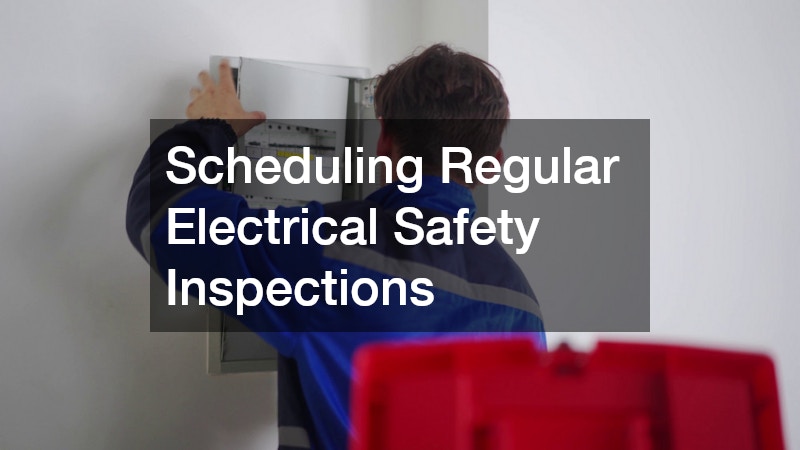
Electrical systems degrade gradually, which makes routine inspections one of the most effective ways to catch problems before they become emergencies. Insulation on older wiring can crack or deteriorate over time, connections can loosen, and components can wear down from years of regular use. Most electricians recommend a full inspection every three to five years for homes under 20 years old, and annually for older properties or those with a history of electrical issues.
A licensed professional can identify these issues using specialized tools that detect heat buildup and voltage irregularities long before visible symptoms appear. Thermal imaging cameras, for example, can spot overheating outlets or breakers hidden behind walls, while circuit analyzers reveal voltage drops that signal failing connections. These diagnostics often catch problems that would otherwise go unnoticed until a breaker trips repeatedly or an outlet stops working entirely.
A thorough inspection typically covers the electrical panel, grounding systems, outlets, switches, and any visible wiring in the attic or basement. Inspectors also check for outdated components, such as aluminum wiring or ungrounded outlets, that no longer meet current safety codes. Homeowners who schedule inspections after major renovations, appliance installations, or severe storms tend to catch issues early, before they escalate into costly repairs or fire hazards.
Most experts recommend a full electrical inspection every three to five years for homes over 20 years old, with more frequent checks if you have added major appliances or renovated recently. A licensed electrician will typically test outlets and GFCI/AFCI breakers, check panel connections for corrosion or overheating, inspect wiring for cracked insulation, and verify that your grounding system meets current code.
Certain situations call for an inspection sooner than the standard schedule. If you’re buying a home, adding a hot tub or EV charger, noticing flickering lights, warm outlet covers, or a burning smell, these are all signs that warrant an immediate professional look rather than waiting for the next scheduled visit.
This proactive approach costs far less than dealing with fire damage, appliance failure, or emergency repairs down the line. A typical inspection runs between $150 and $400 depending on home size, while emergency electrical repairs or fire-related restoration can easily run into the thousands. Many insurance providers also offer lower premiums for homes with documented, up-to-date inspection records.
An outdated electrical system does more than cause minor inconveniences; it can limit what you are able to safely add to your home and put your family at unnecessary risk. From supporting smart technology to powering outdoor living spaces and future EV charging needs, a modern electrical upgrade touches nearly every part of how you use your home. The best next step is a professional inspection to understand exactly where your system stands today. From there, you can prioritize upgrades based on your household’s actual needs, budget, and long-term plans.