

Essential Home Maintenance Tasks Every Homeowner Should Audit Now
Owning a property is often described as the ultimate milestone of adulthood, but any seasoned homeowner will tell you that it is also a complex, never-ending exercise in asset management. The difference between a residence that consistently appreciates in value and one that becomes a stagnant “money pit” often comes down to the frequency and technical quality of your maintenance audits. A home audit is far more than a simple walkthrough to check if the lights turn on; it is a systematic, high-level review of the structural, mechanical, and aesthetic health of your sanctuary. By adopting a proactive, analytical mindset—finding the most efficient ways to preserve value before a crisis occurs—you can catch minor issues while they are still inexpensive “hacks” rather than catastrophic, five-figure disasters.
This comprehensive guide is designed to walk you through ten essential zones of your property that require a professional-grade audit this season. By evaluating these areas with the eye of an inspector, you ensure your investment remains secure, energy-efficient, and visually stunning for decades to come. Whether you are preparing to sell in the near future or planning to stay for a lifetime, these audits provide the roadmap for a home that works for you, rather than the other way around.
Protecting the Structural Envelope from Above

The exterior of your home is under a constant, unrelenting siege from the elements, including UV degradation, torrential rainfall, and fluctuating thermal cycles. Your audit should always begin at the highest point of the property, as water is the primary enemy of structural integrity. While many people only consider the state of their roof when a brown moisture spot appears on an interior ceiling, a proactive visual inspection can save a literal fortune in remediation costs. Start by checking your downspouts; look for “granule loss”—those tiny, sand-like pebbles that collect in the gutters—which is a definitive sign that your asphalt shingles are reaching the end of their functional life cycle and losing their UV protection.
While a DIY visual check from the safety of the ground using binoculars is a great starting point, the gold standard for a structural audit involves bringing in professional roofers every three to five years. These experts are trained to spot “nail pops,” cracked seals around vent boots, or subtle flashing issues around chimneys that remain completely invisible to the untrained eye. Catching a small leak or a loose shingle early effectively extends the life of the entire structure by years. It prevents moisture from reaching the attic, where it can cause silent wood rot and the growth of hazardous mold, both of which are significantly more expensive to fix than a simple shingle replacement.
Assessing Driveway Integrity and Surface Longevity
Once the roof is secure, shift your focus to the ground level, specifically your primary points of ingress. Your driveway and walkways are significant assets that define your home’s first impression and “curb appeal,” which can account for up to 7% of a home’s total value. Cracks in these surfaces are more than just an aesthetic eyesore; they are structural vulnerabilities that allow water to seep into the sub-base. In colder climates, this water freezes and expands, leading to “potholing” and eventually a total failure of the surface. During your audit, measure any visible cracks with a ruler. If they are wider than a quarter-inch, the protective seal has been breached.
At this stage, it is time to consult a reputable asphalt contractor to discuss professional sealcoating or targeted resurfacing. Maintaining a smooth, deep-black finish on your driveway isn’t just a basic maintenance task—it is a massive “value hack” that signals to neighbors and future buyers that the entire property is meticulously cared for. A well-maintained and regularly sealed surface can easily last thirty years, whereas a neglected driveway may begin to crumble and require a full, high-cost tear-out in less than a decade. Proactive sealing is the difference between a hundred-dollar preventative measure and a ten-thousand-dollar reconstruction.
Optimizing Internal Climate Control and Airflow
The mechanical systems of a home act as its heart and lungs, circulating air and maintaining the delicate balance of temperature and humidity that keeps the structure healthy. If these systems are running inefficiently, they represent a slow, invisible leak in your monthly budget. The first step in a mechanical audit is a deep dive into your indoor air quality and temperature consistency. Walk through every room and check for hot or cold spots, or listen for unusual clicking or grinding noises when the system engages. If your energy bills are climbing despite consistent usage patterns, your system is likely working twice as hard to achieve the same results.
This is where the expertise of professional HVAC services becomes a homeowner’s most valuable partnership. Beyond just swapping out a standard pleated filter, a professional audit of your furnace and AC condenser ensures that the coolant levels are precise and the internal coils are free of debris. Furthermore, they can use thermal imaging to ensure the ductwork isn’t leaking conditioned air into uninsulated crawlspaces or attics. A well-tuned system can save you up to 15% on monthly utility costs and significantly reduces the risk of a catastrophic “emergency breakdown” that always seems to happen during a record-breaking heatwave when repair premiums are at their highest.
Evaluating Rural and Suburban Water Flow Systems

For homeowners living in areas not connected to a municipal water line, the utility audit must extend to your private water source and delivery infrastructure. We often take for granted that high-pressure water will flow the moment a tap is turned, but the mechanical components involved—the pressure tank, the heavy-duty switch, and the submersible pump—are under constant mechanical and electrical stress. Part of your water audit should involve checking the pressure gauge during a high-demand period, such as when the laundry and dishwasher are running simultaneously. If you hear the pump “cycling” or clicking on and off every time you wash your hands, your pressure tank may be waterlogged, or the bladder may have failed.
Scheduling a routine diagnostic check for water well pumping systems can prevent the nightmare scenario of waking up to a house with no running water. Keeping the pump in top condition ensures consistent pressure throughout the home and prevents sediment from being pulled into the lines, which can cause “pitting” and damage to your expensive internal plumbing fixtures and appliances. A healthy well system is the backbone of a rural home’s functionality, and an annual audit is the only way to ensure that the water keeps flowing without interruption.
Auditing the Kitchen for Long-Term Value and Storage
The kitchen is statistically the most important room in any real estate value calculation, and it is also the room that experiences the most intensive daily wear and tear. A kitchen audit should focus on the intersection of functional beauty and structural longevity. Start your inspection with your storage solutions: open every door and drawer to check for structural integrity. Are your current cabinets showing signs of hinges sagging, or is the finish beginning to peel away due to years of exposure to cooking steam and grease? If the boxes themselves are solid, you might opt for a “hack” like refacing to save money.
However, if the current layout is cramped, the workflow is dysfunctional, or the storage capacity is fundamentally insufficient for your family’s needs, that is a clear sign that a full kitchen remodeling project should be moved from the “someday” list to the “active planning” list. A well-executed remodel consistently offers one of the highest returns on investment of any home improvement task, often recouping a massive portion of its cost in immediate equity. During this audit, also check the under-sink area for any signs of slow leaks, as even a tiny drip can ruin the base of your cabinetry over time.
Maintaining High-Traffic Surfaces and Work Areas
While you are evaluating the big picture of your kitchen’s layout, do not ignore the specific surfaces that handle the brunt of your daily chores. Your countertops are the workhorses of the home, subjected to hot pans, sharp knives, and acidic food spills. During your audit, perform the “bead test” on your stone or composite surfaces. Drop a small amount of water on the surface; if it doesn’t bead up into a tight droplet but instead begins to soak in and darken the stone, your protective seal has worn away.
Re-sealing your stone surfaces is a simple, 30-minute DIY hack that protects a multi-thousand-dollar investment from permanent staining. Additionally, closely inspect the silicone caulking where the backsplash meets the counter and where the sink is under-mounted. If the caulk is cracked, moldy, or pulling away from the wall, moisture can seep behind the cabinets, leading to hidden rot and mold growth that is both dangerous and difficult to remediate. Replacing old, failing caulk is a five-dollar fix that prevents a five-hundred-dollar headache down the road.
Inspecting Hidden Ventilation and Safety Systems
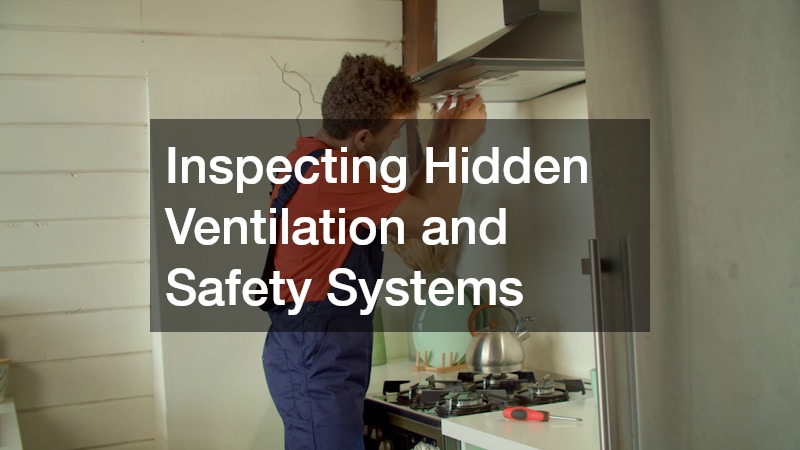
The most critical part of a kitchen audit is often the one that is completely invisible from the dining room table. Most homeowners are diligent about wiping down their stovetops, but they rarely look up into the complex ventilation system. Over time, grease particles become airborne during cooking and settle inside the range hood and the ducting. This buildup is not just a cleanliness issue; it is a leading cause of residential structure fires because grease is highly combustible. For serious home chefs or those who utilize high-BTU professional-grade ranges, the level of buildup can be significant and presents a genuine safety risk.
While cleaning the removable mesh filters in the dishwasher is a simple DIY task, you should occasionally seek the deep-cleaning thoroughness associated with commercial kitchen hood cleaning standards. This involves cleaning the entire vent path—all the way to the exterior exit point—to ensure there are no blockages or fire hazards. Ensuring your ventilation is clear is a safety hack that provides immense peace of mind, improves indoor air quality by removing odors more effectively, and keeps your kitchen environment smelling fresh and clean.
Securing the Home’s Largest Moving Part
The garage is frequently relegated to being the “junk drawer” of the property, but a dedicated audit can transform this space into a high-functioning asset. Begin your inspection with the largest and heaviest moving part of your entire home: the garage door. This is a safety audit as much as a mechanical one. Modern doors rely on a complex system of high-tension springs and tracks to operate safely. Test the “auto-reverse” sensors by placing a solid object in the door’s path to ensure it retracts immediately. Listen for any “screeching,” “popping,” or “grinding” noises in the springs or rollers during operation.
A door that is out of balance or has worn-out rollers puts immense, unnecessary strain on the opener motor and can lead to a sudden, dangerous mechanical failure. Simple maintenance like lubricating the tracks with a silicone-based spray and checking the rubber weather stripping is a five-minute hack that keeps the elements and local pests out of your home’s utility zone. A quiet, smooth-running door also adds a significant sense of “quality” and security to the property that visitors and potential buyers will notice the moment they pull into the driveway.
Maximizing Vertical Space and Modular Organization
Once the door is secure and the floor is clear of clutter, look upward at the untapped storage potential of your walls and ceiling. If you find yourself constantly tripping over lawn tools, bicycles, or overflowing boxes of holiday decorations, it is time to audit your vertical space. This is where the “hidden square footage” of a home is found. Consulting with a professional garage cabinet company can reveal innovative ways to utilize “dead space” that most homeowners typically ignore, such as the area above the garage door or high up on the sidewalls.
Investing in custom, heavy-duty cabinetry in a garage isn’t just about basic organization; it is a lifestyle hack that transforms a dusty car park into a legitimate, climate-controlled mudroom or a high-end hobbyist workshop. High-quality, wall-mounted cabinets keep your expensive power tools, chemicals, and seasonal gear safely off the floor. This protects your belongings from moisture, accidental spills, and pests while making the garage floor significantly easier to sweep and maintain. A garage that looks like a showroom adds incredible perceived value to any modern home.
Auditing Specialty Storage and Interior Built-Ins
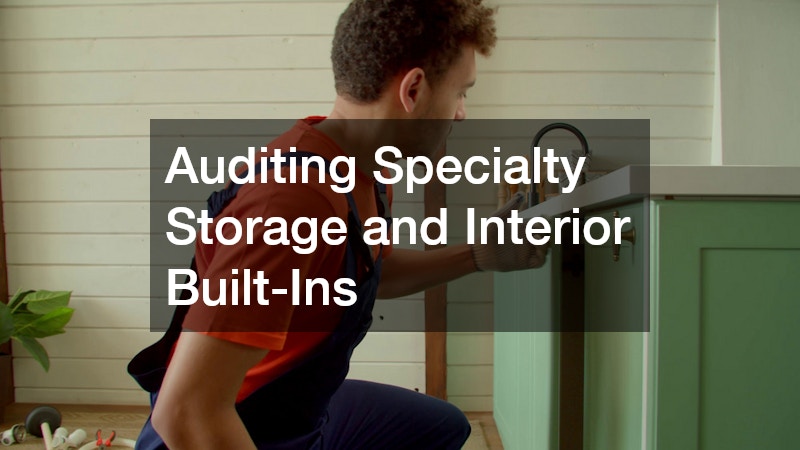
Finally, perform a deep-dive audit of the built-in storage and organizational systems throughout the rest of your home. Whether it is a walk-in pantry, a dedicated home office, or a high-traffic laundry room, the efficiency of your cabinets dictates how much “living” you can actually do in your living space. If you find that items are being stored on the floor, piled on top of kitchen tables, or stuffed into overcrowded closets, your current storage infrastructure has failed to keep up with your lifestyle.
Adding specialized pull-out organizers, adjustable shelving, or replacing outdated, shallow units with modern, deep-storage solutions can make a small room feel twice as large. This is a “space-saving hack” that potential buyers notice immediately during an open house, as it suggests the home is larger and more functional than its square footage might imply. Every comprehensive audit should conclude with a prioritized list of areas where better storage could reduce daily clutter and increase the overall functionality of each room. This directly impacts the day-to-day enjoyment and tranquility of your home environment.
In conclusion, maintaining a modern home is a continuous, evolving journey that requires both a long-term vision and a commitment to detail-oriented diligence. By shifting your perspective from that of a passive dweller to that of an active, engaged asset manager, you ensure that your property remains a source of pride and financial security rather than a source of persistent stress. Completing a comprehensive, zone-by-zone audit allows you to prioritize your home improvement budget based on actual data and structural needs rather than simply reacting to the latest emergency.
This proactive approach not only saves significant amounts of money in the short term by preventing major system failures, but it also preserves the long-term structural integrity and aesthetic appeal of your most significant investment. When you take the time to inspect, evaluate, and upgrade each system systematically—from the plumbing in the walls to the shingles on the peak—you are doing more than just fixing pipes or painting walls. You are actively investing in the sanctuary where your life happens and ensuring it remains a safe, comfortable, and valuable haven for many years to come. Start your audit process today, and enjoy the profound peace of mind that comes from knowing every corner of your home is in peak, professional condition.