
Protecting your roof is one of the smartest long-term investments a homeowner can make, yet it’s often overlooked until a problem becomes impossible to ignore. Seasonal changes bring unique challenges that can quietly weaken roofing systems over time, from winter ice buildup to heavy spring rain and summer heat stress. Understanding how these shifts impact your roof allows you to act early rather than react after damage has occurred. That’s where thoughtful planning and timely home improvement hacks come into play.
By adjusting your maintenance approach throughout the year, you can reduce the risk of leaks, structural wear, and premature replacement. Many homeowners assume roof care is limited to hiring a roofing contractor after visible damage appears, but proactive seasonal attention often prevents those situations entirely. Small actions like clearing debris, monitoring insulation, and addressing drainage issues can extend your roof’s lifespan significantly.
This guide explores practical, season-focused home improvement hacks that help protect roofing materials, improve performance, and support overall home efficiency. Whether you rely on experienced roofers, consult a trusted local roofer, or manage basic upkeep yourself, understanding seasonal demands empowers better decisions. With a balanced mix of DIY awareness and professional insight, homeowners can protect their roofs year-round while avoiding costly surprises and unnecessary stress.
What Seasonal Maintenance Tasks Should I Perform On My Roof?
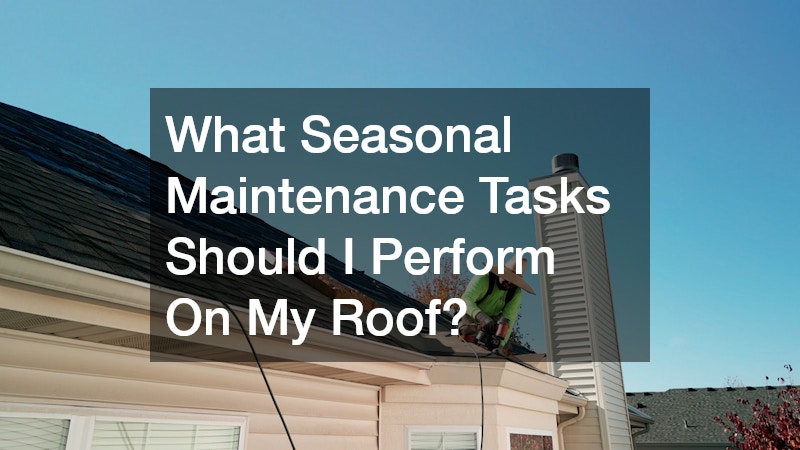
Seasonal roof maintenance focuses on prevention rather than repair. Each season presents different environmental pressures, making it essential to adjust your approach throughout the year. Consistent upkeep supports the work of any roofing company and helps ensure that inspections or repairs remain manageable rather than urgent.
Spring Cleaning And Inspections
Spring is an ideal time to assess your roof after winter’s wear and tear. Snow, ice, and freezing temperatures can loosen shingles, damage flashing, and clog drainage systems. A thorough visual inspection from the ground helps identify obvious issues such as missing shingles or sagging areas. Clearing debris like fallen branches and leftover leaves reduces moisture retention that can compromise roofing materials.
This season is also an opportunity to coordinate with a roofing service for a professional assessment if winter storms were particularly harsh. Early detection allows roofing contractors to address minor concerns before they escalate into leaks or structural damage. Incorporating spring-focused home improvement hacks ensures your roof is prepared for heavier rain and rising temperatures ahead.
Fall Preparations Before Winter
Fall maintenance plays a critical role in protecting your roof during winter months. Leaves and organic debris often accumulate in valleys and drainage systems, increasing the risk of ice dams once temperatures drop. Cleaning gutters thoroughly supports proper water flow and reduces stress on the roof’s edge.
Homeowners often schedule gutter repair during this season to address sagging sections or blockages. Ensuring downspouts direct water away from the home minimizes freezing issues and foundation concerns. Fall-focused home improvement hacks help prepare your roof for snow loads, reducing the likelihood of emergency calls to a roofing business when winter storms arrive.
How Can I Prevent Roof Leaks During Heavy Rainfall?
Heavy rainfall tests every component of your roofing system. Leaks often result from overlooked vulnerabilities rather than sudden failures. Preventative planning allows homeowners to reinforce key areas before storms arrive.
Inspecting Flashing And Seals
Flashing protects joints where the roof meets chimneys, vents, and skylights. Over time, seals can crack or pull away due to temperature changes and moisture exposure. Regular inspection ensures flashing remains intact and properly secured.
Homeowners can safely check visible flashing from the ground or attic for signs of rust, separation, or staining. Addressing these concerns early reduces reliance on emergency roofers during severe weather. This is one of the most effective home improvement hacks for preventing water intrusion during heavy rain.
Proper Gutter Maintenance
Gutters play a vital role in directing water away from the roof and structure. When clogged or damaged, water backs up and seeps beneath shingles, increasing leak risks. Routine cleaning and inspection prevent these issues.
Working with a garage door company or exterior service provider often reveals bundled maintenance options that include gutter repair and roof evaluations. Keeping gutters functional supports the roofing system as a whole and complements other home improvement hacks aimed at moisture control.
What Should I Know About Roof Insulation?
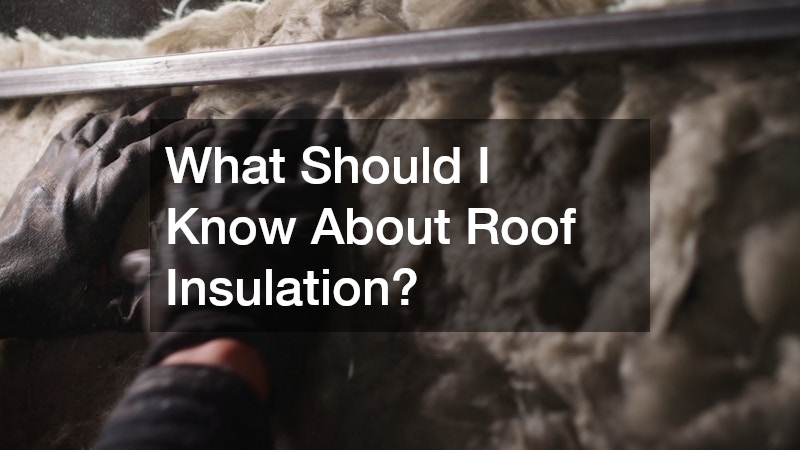
Roof insulation impacts more than indoor comfort. It plays a significant role in moisture regulation, energy efficiency, and roofing longevity. Understanding insulation’s seasonal behavior helps homeowners make informed improvements.
Importance Of Adequate Insulation
Proper insulation reduces heat transfer between the interior and exterior of the home. In winter, it prevents warm air from escaping and melting snow unevenly on the roof. In summer, it limits heat buildup that can warp roofing materials.
An insulation contractor can evaluate existing insulation levels and identify gaps or compression. Adequate insulation supports roofing contractors by reducing thermal stress on roofing systems. Incorporating insulation-focused home improvement hacks enhances roof durability and energy savings simultaneously.
Seasonal Temperature Effects
Seasonal temperature swings influence how insulation performs. Cold weather emphasizes heat retention, while warmer months demand effective heat resistance. Inadequate insulation allows condensation to form, which can weaken decking and promote mold growth.
Monitoring insulation performance throughout the year helps homeowners adapt their maintenance strategies. Seasonal adjustments are among the most overlooked home improvement hacks, yet they significantly affect roof health and indoor comfort.
How Can Trees Affect My Roof’s Condition?
Trees offer both benefits and risks when positioned near a home. Understanding their impact helps homeowners balance shade advantages with necessary precautions.
Shade And Temperature Regulation
Strategically placed trees provide shade that reduces roof surface temperatures during hot months. Lower temperatures decrease material expansion and slow aging, particularly for asphalt shingles. Shade also contributes to lower cooling costs, supporting overall home efficiency.
However, excessive shade can trap moisture, especially in humid climates. A local roofer can assess whether tree coverage is beneficial or problematic for your specific roof design. Thoughtful planning transforms tree management into effective home improvement hacks.
Debris Accumulation From Nearby Trees
Leaves, twigs, and seeds often accumulate on roofs and in gutters, especially during fall. This debris traps moisture and accelerates deterioration if not removed regularly. Routine cleaning prevents buildup and supports proper drainage.
Homeowners should schedule trimming to minimize overhang and reduce debris fall. Managing nearby vegetation is a simple yet impactful roofing service strategy that complements seasonal home improvement hacks and protects roofing materials long-term.
What Roofing Materials Are Best For Seasonal Changes?

Roofing materials respond differently to temperature shifts, moisture levels, and weather extremes. Choosing materials that align with your climate reduces stress on the roof and lowers long-term maintenance demands. Understanding material behavior is one of the most practical home improvement hacks for homeowners planning upgrades or replacements.
Understanding Different Roofing Materials
Asphalt shingles remain popular due to affordability and adaptability, but they can be vulnerable to extreme heat and rapid temperature fluctuations. Metal roofing performs well in areas with heavy snowfall and rain, shedding moisture efficiently while resisting cracking. Tile and slate offer durability but require proper structural support.
A knowledgeable roofing company can explain how materials age under seasonal stress. Roofers often assess ventilation and slope alongside material selection to ensure year-round performance. Choosing materials strategically supports long-term protection and complements other home improvement hacks aimed at durability.
Choosing The Right Material For Your Climate
Climate-specific factors such as humidity, snowfall, wind exposure, and sun intensity influence material performance. Homes in colder regions benefit from materials that resist ice dam formation, while warmer climates demand heat-reflective options.
Consulting experienced roofing contractors helps homeowners avoid mismatched materials that lead to premature wear. Climate-aware selection is one of the smartest home improvement hacks, reducing repair frequency and improving overall roof efficiency across seasons.
What Are The Signs Of Roof Damage?
Early detection of roof damage prevents minor issues from escalating into costly repairs. Many warning signs appear long before visible leaks occur, making awareness essential for effective seasonal maintenance.
Inside Your Home
Interior indicators often reveal roofing issues before exterior damage becomes obvious. Water stains on ceilings, peeling paint near rooflines, and unexplained humidity changes can signal leaks or insulation failures. Attic spaces may show damp insulation or darkened wood, pointing to ventilation or moisture problems.
Homeowners who recognize these signs early can coordinate repairs with a roofing service before structural damage spreads. Monitoring indoor conditions is an overlooked yet valuable home improvement hack that supports roof longevity.
Outside Your Home
Exterior signs include missing or curling shingles, granule buildup near downspouts, and sagging rooflines. Flashing separation and moss growth may also indicate moisture retention or aging materials.
Routine visual inspections after storms help homeowners determine when to call a roofing business for professional evaluation. Exterior awareness reinforces other home improvement hacks focused on prevention rather than emergency repairs.
How Often Should I Schedule Professional Roof Inspections?

Professional inspections provide expert insight that complements homeowner maintenance efforts. Seasonal timing plays a key role in maximizing inspection effectiveness.
Recommended Inspection Frequency
Most professionals recommend roof inspections at least once per year, ideally during spring or fall. Homes in regions with severe weather may benefit from biannual inspections. Regular assessments help roofing contractors catch early wear, ventilation issues, and drainage concerns.
Consistent scheduling reduces unexpected repair costs and supports long-term planning. This proactive approach aligns with home improvement hacks designed to maintain roof integrity year-round.
When To Call For Immediate Inspections
Certain situations warrant immediate attention, including severe storms, fallen branches, or sudden interior leaks. Delaying inspections after these events increases the risk of widespread damage. Even when damage appears minimal, underlying issues can worsen quickly if left unaddressed.
High winds, hail, or heavy snowfall may loosen materials or compromise seals without obvious surface indicators. Interior signs such as stains or damp insulation often point to problems that require prompt evaluation.
Prompt response allows roofers to stabilize affected areas before secondary issues develop. Recognizing urgency is one of the most practical home improvement hacks homeowners can apply during unpredictable weather events. Acting quickly often limits repair scope and protects surrounding structural components.
Can I Perform Roof Repairs Myself?
DIY roof maintenance can be effective when limited to minor tasks. Understanding personal limits ensures safety while preserving roof quality.
Basic DIY Roof Repair Tips
Simple tasks such as replacing a single damaged shingle, sealing small flashing gaps, or clearing debris can be manageable for homeowners. Using proper safety equipment and following manufacturer guidelines is essential.
DIY efforts should focus on preservation rather than complex structural repairs. These controlled actions serve as helpful home improvement hacks that support professional roofing work.
When To Hire A Professional
Complex repairs involving structural components, extensive leaks, or insulation issues require professional expertise. An insulation contractor or licensed roofing contractor ensures repairs meet safety and building standards. These professionals bring specialized tools and experience that homeowners typically do not have.
Professional involvement is especially important when repairs affect warranties or involve multiple roofing components. Improper repairs can unintentionally void coverage or create new vulnerabilities.
Hiring professionals protects warranties and prevents accidental damage. Knowing when to step back is a critical home improvement hack that saves money and reduces risk. In many cases, professional repairs ultimately cost less than correcting DIY mistakes later on.
Seasonal roof care is not about reacting to damage but anticipating it. By applying targeted home improvement hacks throughout the year, homeowners create a maintenance rhythm that aligns with changing weather conditions and environmental stressors. From spring inspections to fall preparation, each season offers opportunities to reinforce roof performance and prevent unnecessary wear.
Working with trusted professionals such as roofers, a local roofer, or a reliable roofing company enhances these efforts, especially when addressing complex issues like insulation balance or material selection. Simple actions, including gutter repair, debris management, and interior monitoring, support the larger roofing system and extend its lifespan.
Homeowners who prioritize seasonal awareness reduce reliance on emergency roofing service calls and gain greater control over maintenance costs. Whether coordinating with a roofing business or handling minor tasks independently, consistency remains key. These seasonal home improvement hacks empower homeowners to protect their roofs proacti