
Owning a home is perhaps the most significant investment you will ever make, but the structure itself is only half of the equation. The land it sits upon is a living, breathing entity that requires constant vigilance. Neglecting the exterior of your property is a bit like buying a luxury car and never changing the oil; eventually, the lack of maintenance will lead to a catastrophic failure that costs far more than the incremental price of prevention.
Outdoor upkeep is more than just pulling a few weeds or occasionally sweeping the porch. It is a comprehensive discipline that involves managing water flow, preserving structural integrity, and ensuring that the systems hidden beneath your lawn are functioning at peak efficiency. When you approach your property with a proactive mindset, you aren’t just “fixing things”—you are performing essential asset management.
Earth, Stone, and Soil Health
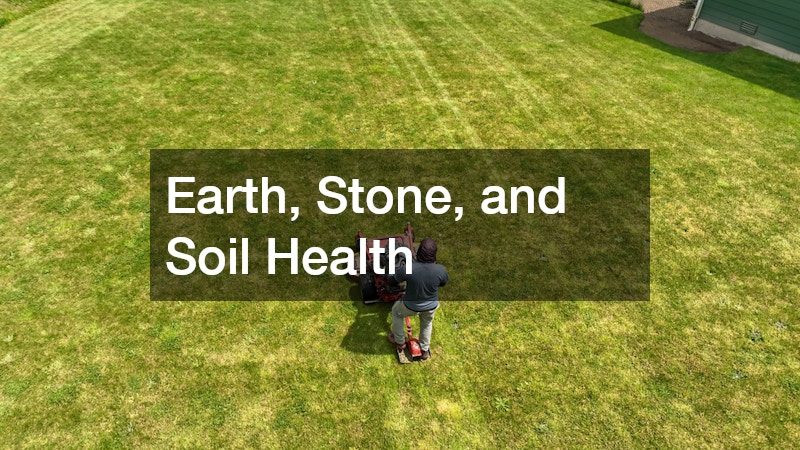
The foundation of any beautiful property is the ground itself. Many homeowners make the mistake of focusing only on what is planted, but the structural elements of your yard provide the “bones” of your outdoor space. Effective land management starts with understanding how your property handles weight and water.
Strategic Site Leveling and Drainage
Poor drainage is the silent killer of many properties. If your yard has low spots where water collects after a heavy rain, you are risking more than just a muddy lawn; you are risking the health of your home’s lower levels. You should regularly inspect the grade of your soil to ensure it slopes away from the house at a rate of at least one inch per foot for the first ten feet.
Balancing Natural and Built Elements
Integrating functional stone structures into your yard is an excellent way to prevent erosion. When you invest in high-quality hardscaping, you are creating permanent solutions for foot traffic and soil retention. These features, ranging from retaining walls to flagstone paths, reduce the amount of mud tracked into the house and provide a stable surface for outdoor furniture.
However, natural growth still requires a professional touch. Many people find that partnering with reputable landscaping services is the most efficient way to handle large-scale tasks like seasonal mulching, tree pruning, and deep-root fertilization. Professionals have access to commercial-grade equipment that can revitalize a lawn in a fraction of the time it takes a homeowner with a hand spreader.
- Pro Tip: Use permeable pavers for your walkways. They allow rainwater to soak back into the ground rather than creating runoff that can overwhelm your gutters.
- Maintenance Note: Check your stone joints annually. If the polymeric sand has washed away, weeds will take root and eventually displace the heavy stones.
Hydration and Plumbing Logistics
Water is both a necessity for a lush landscape and a potential threat to your home’s infrastructure. Managing this dual nature requires a sophisticated approach to how water enters and exits your property.
Precision Irrigation and Conservation
A common mistake is “blanket watering,” where every part of the yard receives the same amount of moisture. In reality, your turf, your flower beds, and your shrubs all have different thirst levels. Modern smart controllers can adjust watering schedules based on local weather forecasts, saving you thousands of gallons of water per year.
While many homeowners attempt to fix their own sprinklers, complex system failures—like a cracked manifold or a zone that won’t shut off—often require the expertise of irrigation companies. These specialists can perform a “wet check” to ensure every nozzle is spraying with maximum efficiency and no water is being wasted on the sidewalk or the side of the house.
Exterior Water Infrastructure
The pipes that run under your yard are just as important as the ones behind your bathroom walls. Outdoor faucets, or “hose bibbs,” are prone to freezing in the winter if they aren’t properly insulated or “frost-proof.” If you notice a drop in water pressure outside or a mysterious damp spot in the yard, you may be dealing with a subterranean leak. Engaging professional plumbing services to inspect your main line and outdoor shut-off valves can prevent a massive utility bill and potential sinkholes.
Curb Appeal and Safety
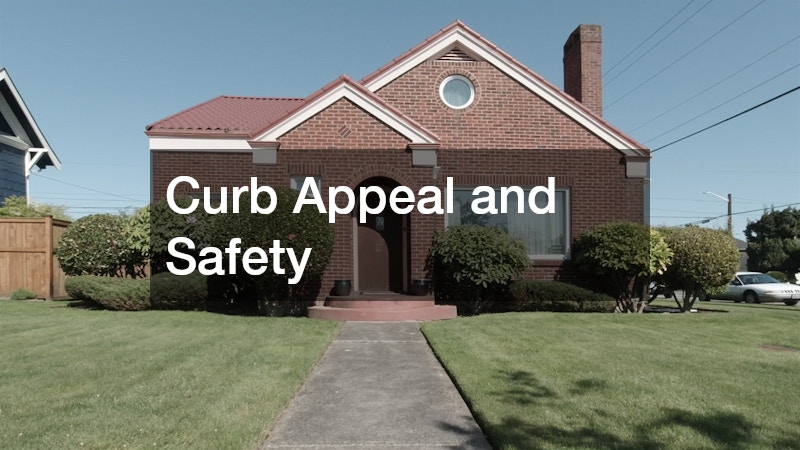
Your driveway and siding are the most visible parts of your property, yet they are constantly bombarded by UV rays, oil spills, and organic growth like mold and mildew.
Preserving Your Pavement
An asphalt driveway is flexible, which is great for changing temperatures, but it is also porous. Over time, sunlight breaks down the chemical bonds in the asphalt, causing it to turn gray and become brittle. Once cracks appear, water can seep into the base layer, freeze, and expand, leading to potholes.
If your driveway is starting to show significant “alligator cracking” (small, interconnected cracks that look like reptile skin), a simple sealcoat won’t be enough. You will likely need to consult an asphalt driveway company to discuss whether a mill-and-fill or a total replacement is necessary to restore the structural integrity of your entry path.
The Power of a Deep Clean
Over a single season, your siding, decks, and walkways can accumulate a layer of grime that dulls the look of the entire home. Regular maintenance involves more than just a garden hose. Periodic pressure washing is essential for removing embedded dirt and preventing the growth of slippery moss on stairs and walkways. However, be careful with the settings; using too much force on wood or vinyl can cause permanent scarring.
- Safety First: Never use a ladder while operating a high-pressure wand. The recoil can easily knock you off balance.
- Surface Guide:
- Concrete: Can handle high pressure (3000+ PSI).
- Wood Decks: Use low pressure (1200 PSI) to avoid splintering the grain.
- Vinyl Siding: Use a wide-angle tip and a cleaning solution to let the chemicals do the work.
Critical Underground Systems and Structural Stability
Some of the most vital components of property upkeep are the ones you can’t see. When underground systems fail, the consequences are often messy, expensive, and stressful.
Managing Wastewater Systems
For homeowners not connected to a municipal sewer, the waste system is a private utility that requires strict adherence to a maintenance schedule. A septic system relies on a delicate balance of bacteria to break down solids. Flushing chemicals, grease, or non-biodegradable items can “kill” the tank, leading to backups and field failure.
Experts recommend a professional septic tank service every three to five years, depending on the size of your household. During these visits, the technician will pump out the accumulated solids and inspect the baffles to ensure that nothing is clogging the outlet pipe that leads to the drain field.
Ensuring a Solid Foundation
The soil around your home is constantly moving. Changes in moisture levels cause the earth to expand and contract, which puts immense pressure on your basement or crawlspace walls. If you notice horizontal cracks in your foundation or if your windows suddenly become difficult to open, it is a sign that the house is shifting.
Proactive foundation repair is not something to delay. Addressing a small crack now with epoxy injection or better gutter redirects can save you from having to install expensive steel piers or helical anchors later on. Keeping the soil moisture consistent around the perimeter of the home—not too bone-dry and not a swamp—is the best way to keep your foundation stable.
- Red Flags:
- Musty odors in the basement.
- Water seeping through the floor-wall joint.
- Diagonal cracks over interior door frames.
- A “bouncy” feeling in the floor joists.
Perimeter Maintenance and Outdoor Living Enhancements
The boundaries of your property serve as the frame for your home. Maintaining these perimeters ensures privacy, security, and a comfortable environment for your family to enjoy.
Fencing Longevity and Security
A fence is a massive sail that must withstand high winds, rot, and insects. Whether you have wood, vinyl, or chain link, the posts are the most vulnerable point. Wood posts should be set in gravel or concrete with a slight crown at the top to shed water. If you notice your fence line starting to sag or lean, it is usually a sign of post-rot or soil erosion.
Quality fencing services can help you choose materials that match your local climate. For example, in high-moisture areas, vinyl or composite might be a better long-term investment than cedar, which requires staining every few years to stay vibrant and rot-resistant.
Maximizing Comfort in the Elements
In many regions, the biggest barrier to enjoying the outdoors is the presence of pests or intense heat. If you have a patio or a porch that goes unused because of mosquitoes or debris, consider upgrading the space. Installing an outdoor screen enclosure allows you to enjoy the fresh air and the view without the nuisance of insects or the need to constantly sweep away fallen leaves and twigs. This addition essentially creates a secondary living room that adds significant square footage to your home’s usable space.
The Economics of Property Maintenance
Many homeowners view maintenance as an “expense,” but it is actually a “capital preservation” strategy. Let’s look at the numbers. A professional cleaning and sealing of a deck might cost a few hundred dollars. Replacing that same deck because the wood rotted through can cost tens of thousands.
Furthermore, the “curb appeal” factor is real. Real estate experts agree that a well-maintained exterior can add up to 7% to 14% to the total value of a home. Buyers are often terrified of “deferred maintenance.” When a potential buyer sees a cracked driveway, peeling paint, and a dying lawn, they don’t just see a project; they see a money pit. Conversely, a property that shows evidence of meticulous care gives the buyer confidence that the hidden systems—the wiring, the plumbing, the structure—are likely in good shape too.
The Human Element: Building a “House Team”
No homeowner is an island. To keep a 3,000-word property plan running smoothly, you need a roster of trusted professionals. You shouldn’t be searching for a plumber in the middle of a flood or a foundation expert while your basement wall is bowing.
Take the time to vet local companies before you need them. Read reviews, check their licensing and insurance, and ask for references. Once you find a provider who does good work, stick with them. A contractor who knows the history of your property is far more valuable than a random person from a search engine. They will remember that your septic tank has a specific quirk or that your irrigation system was installed with a certain type of pipe. This “institutional knowledge” of your home is a major asset.
Creating a Maintenance Log

Just as you keep a record of the service history for your car, you should maintain a “Property Bible.” This can be a physical binder or a digital folder. It should include:
- Survey Maps: Showing where your property lines and underground utilities are located.
- Service Dates: When the septic was last pumped, when the driveway was sealed, and when the roof was inspected.
- Paint and Stain Colors: The exact brand and code for the colors used on your siding and fence.
- Warranties: Documentation for your HVAC, roofing materials, and any major appliances.
- Contact List: A “speed dial” list for your preferred electricians, plumbers, and landscapers.
Having this information organized saves an incredible amount of time during an emergency and is a powerful tool when it comes time to sell the house. It proves to the next owner that the property has been loved and cared for.
Outdoor upkeep and property repair can feel like a never-ending task, but it is one of the most rewarding aspects of homeownership. There is a deep sense of satisfaction that comes from looking out over a well-manicured lawn, walking down a smooth driveway, and knowing that your home’s structural and mechanical systems are in peak condition.
By following a structured maintenance schedule, knowing when to call in the experts, and treating your land with the same respect you show your interior spaces, you ensure that your property remains a source of pride rather than a source of stress. Your home is your sanctuary; by investing in its exterior health today, you are securing its beauty and value for decades to come. Stay proactive, stay observant, and remember that in the world of property maintenance, an ounce of prevention is worth a ton of cure.